
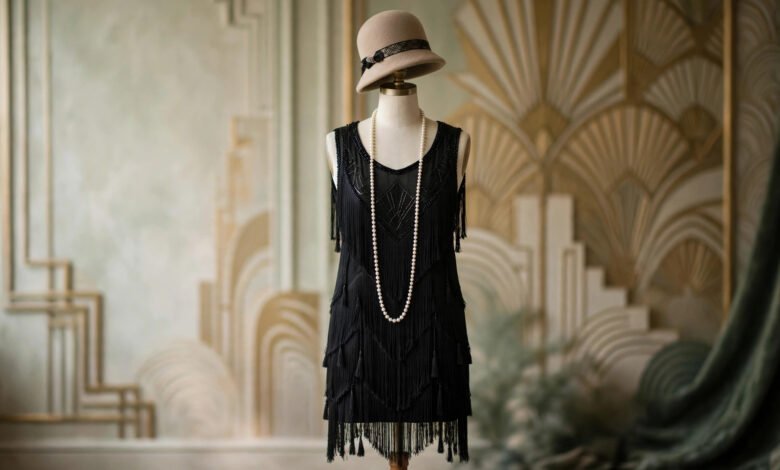
Women’s clothing 1920’s style: There is a reason 1920s style never really goes away. A hundred years on, the dropped waistlines, the fringe, the headbands and the pearls still turn heads at parties, weddings, and themed nights — and they have quietly slipped into everyday fashion too, in beaded details, loose silhouettes, and art deco jewellery. Women’s clothing in the 1920s was not just a look. It was a statement about freedom, movement, and fun, and that spirit is exactly why it still feels so wearable today.
Whether you are dressing for a Great Gatsby themed party, building a vintage-inspired wardrobe, or simply curious about what made the decade’s fashion so iconic, this guide walks you through it all: the key pieces, the fabrics, the accessories, and — most usefully — how to wear 1920s style in 2026 without looking like you are heading to a costume party.
What Defined Women’s Clothing in the 1920s?
Before the 1920s, women’s fashion was largely about structure: corsets, long skirts, high necklines, and silhouettes that restricted movement. The 1920s threw much of that out of the window. After the First World War, women were working, driving, dancing, and socialising in ways previous generations had not, and their clothes changed to match.
The silhouette changed completely. Waistlines dropped to the hips, hemlines rose to the knee, and the overall shape became straight and boyish rather than curvy. This was a deliberate break from the past. The fashionable figure of the decade was slim and flat-chested, and dresses were cut to hang straight down rather than cinch in at the waist.
Movement became the point. The decade’s most famous dance, the Charleston, needed clothes you could actually move in — and fashion obliged. Fringe, beads, and loose fabrics that swung and shimmered as you danced became enormously popular. A dress was not just something to be looked at; it was something to dance in.
Women cut their hair — and their hemlines followed. The bob haircut became the symbol of the modern young woman, and it paired perfectly with the new shorter dresses and the close-fitting cloche hats that framed the face. Together, hair, hat, and hemline created a look that was instantly recognisable then and still is now.
None of this happened by accident. Fashion designers, including the era’s most famous names, responded to how women were actually living. The result was clothing that felt modern, liberating, and — crucially — fun.
The Key Pieces of 1920s Women’s Clothing
If you want to understand the decade’s wardrobe, start with these pieces. Each one tells you something about how women lived and what they valued in the 1920s.
The Flapper Dress
The flapper dress is the single most iconic piece of 1920s fashion. It typically featured a dropped waist, a knee-length hem, and a straight, loose fit. Many were decorated with fringe, sequins, or beading that caught the light as the wearer moved — perfect for a night of dancing.
Flapper dresses were not all identical. Daytime versions were simpler, often in plain fabrics with modest decoration, while evening versions went all out with beads, sequins, and metallic threads. What they shared was the silhouette: straight, unfussy, and free.
The Day Dress
Not every 1920s woman was a flapper, and everyday fashion was more practical than the party image suggests. Day dresses still had the dropped waist and straight cut, but they were made from sturdier fabrics like cotton, wool, and linen, and they often featured simple collars, long or three-quarter sleeves, and small prints or checks. These were the dresses women wore to work, to shop, and to run their daily lives — proof that the decade’s style was not just for the dance floor.
Separates: Skirts, Blouses, and Knitwear
The 1920s also saw separates become more common. Pleated skirts, simple blouses, and knitted cardigans and jumpers gave women more flexible wardrobes. A woman could mix a blouse with different skirts rather than owning a closet full of full dresses, which was both practical and economical. Knitwear in particular became fashionable, helped by the popularity of sporty, outdoorsy leisure activities.
Outerwear: Coats and Wraps
Coats in the 1920s tended to be straight-cut and knee-length or longer, often with fur collars or trims for evening. Evening wraps and shawls, sometimes in velvet or silk, added glamour over a flapper dress. For daytime, a simple wool coat in a dark or neutral shade was the workhorse of the wardrobe.
Swimwear and Sportswear
Even sport got a 1920s makeover. Swimwear became shorter and less cumbersome, reflecting women’s growing participation in swimming and seaside holidays. Tennis and golf outfits, too, became lighter and more practical. Fashion was catching up with the fact that women were active, and their clothes needed to let them move.
Fabrics, Colours, and Details
The look of 1920s clothing came as much from materials and decoration as from the cut.
Fabrics: evening dresses favoured luxurious materials — silk, satin, chiffon, and velvet — while daywear used cotton, wool crepe, and linen. Beading and sequins were often sewn onto a mesh or chiffon base, which gave evening dresses their sparkle without adding weight. Fringe, usually made from silk or beaded strands, added movement.
Colours: the decade loved both ends of the spectrum. Evening wear often used black, gold, and silver, sometimes with jewel tones like emerald and ruby. Daywear was more varied, with pastels, navy, brown, and muted prints all common. Art deco patterns — geometric shapes, zigzags, and fan motifs — appeared on fabrics, jewellery, and accessories, and they remain one of the easiest ways to signal “1920s” today.
Details that make the look: a few small touches do a lot of work. A beaded neckline, a fringe hem, a bow at the neck, or a deco-style brooch can take a plain dress firmly into 1920s territory. If you are styling a modern outfit with a vintage twist, these details are your best friends.
Accessories: The Finishing Touches
In the 1920s, accessories were not an afterthought — they completed the look, and some of them are still instantly recognisable today.
- Cloche hats: close-fitting, bell-shaped hats that sat low over the forehead, worn with bobbed hair. They were the decade’s signature headwear.
- Headbands and headpieces: for evening, beaded or feathered headbands, often worn across the forehead, added glamour to a flapper outfit.
- Long pearl necklaces: strands of pearls, often worn long and sometimes knotted, were the go-to jewellery. Layering several strands was common for evening.
- Art deco jewellery: geometric earrings, bracelets, and brooches in bold shapes and sparkling stones matched the era’s love of modern design.
- T-strap and Mary Jane shoes: low-heeled shoes with a strap across the foot were practical for dancing and walking, and they remain a charming vintage choice today.
- Gloves and bags: long gloves for evening, shorter gloves for day, and small beaded or metallic clutch bags completed an outfit.
A styling tip that saves money: if you are putting together a 1920s outfit for one event, invest in the accessories rather than the most expensive dress. A simple black dress with a headband, long pearls, and a feather boa reads as “1920s” instantly, while an elaborate dress with no accessories can fall flat.
How to Wear 1920s Style Today (Without Looking Like a Costume)
This is the question most people actually ask, and it is a good one. There is a difference between wearing a costume and wearing a vintage-inspired look, and it mostly comes down to balance.
Pick one hero piece. If you wear a full flapper dress with a headpiece, pearls, T-strap shoes, and a feather boa, you are in costume territory — wonderful for a themed party, but a lot for everyday life. For a modern take, choose one 1920s element — say, a dropped-waist dress or a beaded top — and pair it with modern pieces. A fringed top with straight-leg jeans, for example, nods to the decade without shouting it.
Let the details do the work. A deco-style necklace, a cloche-style hat in winter, or a beaded clutch can bring a 1920s feel to an otherwise contemporary outfit. This is the easiest way to wear the trend to dinner, a wedding, or a night out.
Mind the proportions. The 1920s silhouette is straight and loose, which can be wonderfully comfortable but can also swamp a smaller frame if the dress is too long or too boxy. Choosing a knee-length cut and a fabric with a bit of drape keeps the look flattering rather than shapeless.
Modern fabrics help. Vintage-style dresses made today often use stretch fabrics and better linings than the originals, which makes them more comfortable and easier to wear. There is no prize for suffering in an authentic but scratchy beaded dress when a modern version looks just as good and feels far better.
1920s Style for Different Occasions
| Occasion | What to wear | Why it works |
|---|---|---|
| Themed party (Gatsby / Roaring Twenties) | Full flapper dress, headpiece, pearls, T-strap shoes | Go all in — the theme invites it |
| Wedding guest | Beaded midi dress with deco jewellery, no headpiece | Elegant and vintage without upstaging anyone |
| Evening out | Fringed or beaded top with tailored trousers or a sleek skirt | A nod to the decade, modern and wearable |
| Everyday vintage twist | Drop-waist day dress or pleated skirt with simple blouse | Comfortable, practical, quietly retro |
| Winter event | Velvet dress with a faux-fur wrap and long gloves | Warm, glamorous, very 1920s |
The common thread is simple: match the level of vintage to the occasion. The more formal or themed the event, the more 1920s you can pile on. For everyday life, a hint is plenty.
Vintage Originals vs Modern Reproductions
If you are shopping for 1920s style, you will quickly face a choice: an original vintage piece or a modern reproduction. Both have their place, and the right choice depends on what you want it for.
| Factor | Vintage original | Modern reproduction |
|---|---|---|
| Authenticity | Genuine 1920s fabric, cut, and detail | Inspired by the era, not from it |
| Condition | Often fragile — beads loosen, silk weakens with age | New and sturdy, made to be worn |
| Fit | Sized to 1920s standards, often smaller and straighter | Sized to modern standards, usually more forgiving |
| Price | Varies widely; good condition pieces can be pricey | Usually more affordable and easier to find |
| Best for | Collectors, photoshoots, very special occasions | Parties, weddings, regular wear |
Practical advice: for a party or a wedding, a modern reproduction is almost always the smarter buy — it fits better, survives dancing, and you will not panic if someone spills a drink on it. Save vintage originals for collecting or for occasions where you can treat them gently.
Shopping Tips for 1920s Women’s Clothing
- Start with the dress, then the accessories. Find a dress you love and that fits well first; accessories are easier to add later and cheaper to swap.
- Check the beadwork. On beaded dresses, look for loose threads or missing beads before buying, especially on second-hand pieces. A few loose beads are fixable; widespread shedding is not.
- Mind the length. Authentic 1920s hems hit around the knee. If you are taller or shorter than average, check where the hem falls on you — a “knee-length” dress on a model may sit differently on you.
- Choose comfort for dancing. If you plan to dance, test the dress by moving in it. Fringe should swing freely, beads should not scratch, and the fit should let you raise your arms.
- Compare retailers and sizes. Sizing varies a lot between brands, particularly with vintage-style clothing, so check measurements rather than relying on a letter size alone. Prices also vary by retailer and by how detailed the beadwork is, so it is worth comparing a few options before committing.
- Think about the whole outfit. Shoes, a bag, and jewellery can cost as much as the dress if you buy them all at once. Building the outfit over time, or borrowing accessories, keeps the cost down.
For more fashion and lifestyle reading in a similar spirit, you can browse related guides over at Adaily Insight 360 and Home Water Insights, which cover a wide mix of everyday topics.
Common Styling Mistakes to Avoid
- Too many vintage elements at once for a non-themed event. One or two nods beat a head-to-toe costume when the event is not themed.
- Ignoring the shoes. Modern stilettos with a flapper dress can look jarring; a lower heel or a T-strap style keeps the look coherent.
- Forgetting the hair. A 1920s outfit with completely modern hair can look unfinished. You do not need a full finger-wave, but a sleek bob-style finish, a low bun, or a simple headband ties the look together.
- Overdoing the accessories. Pearls, a headpiece, long gloves, a feather boa, and a beaded bag all at once can compete with each other. Pick two or three statement pieces and let them shine.
- Choosing a dress that does not fit. The straight 1920s cut is forgiving, but a dress that is too tight across the hips or too long in the body will not drape properly. Fit matters more than the label.
Frequently Asked Questions
What is women’s clothing 1920’s style called?
The most famous term is “flapper style,” named after the young women known as flappers who embraced the decade’s new fashions. The broader look is often called 1920s or Roaring Twenties style, and it includes daywear, sportswear, and evening wear, not just party dresses.
What did women actually wear every day in the 1920s?
Everyday 1920s clothing was more practical than the flapper image suggests: drop-waist day dresses, pleated skirts with blouses, knitwear, and straight-cut coats. Party dresses with fringe and beads were for evenings out, not daily life.
How can I dress 1920s style without buying a costume?
Choose one vintage element — a beaded top, a drop-waist dress, or deco jewellery — and pair it with modern pieces. Keep the rest of the outfit contemporary, and the result reads as vintage-inspired rather than fancy dress.
What shoes go with 1920s women’s clothing?
T-strap shoes and Mary Janes with a low to medium heel are the classic choices. For a modern take, a simple block heel or a low-heeled court shoe works well and is much easier to walk in all evening.
What hairstyles suit 1920s style?
The bob is the iconic choice, but finger waves, sleek low buns, and headbands all suit the look. If your hair is long, pinning it into a low faux-bob under a headband is a simple trick that works beautifully.
Is 1920s style suitable for a wedding?
Yes — a beaded midi dress or a velvet dress with deco jewellery makes an elegant wedding-guest outfit. Keep the look refined rather than full costume, and avoid anything that could outshine the occasion itself.
Conclusion
Women’s clothing in the 1920s was about much more than pretty dresses. It was the wardrobe of a generation of women who were stepping into public life with confidence — working, dancing, driving, and refusing to be held back by the clothes they wore. That is why the style still resonates: it was built around freedom and movement, and those are things every generation wants from its clothes.
Whether you go all out for a themed party or just borrow a beaded detail here and a dropped waistline there, 1920s style is remarkably easy to make your own. Start with one piece you love, add accessories that make you smile, and wear it with the same spirit the original flappers did — like you are going somewhere fun.
Read Also: Under Armour Men’s Charged Commit TR 5 Training Shoes



One Comment