
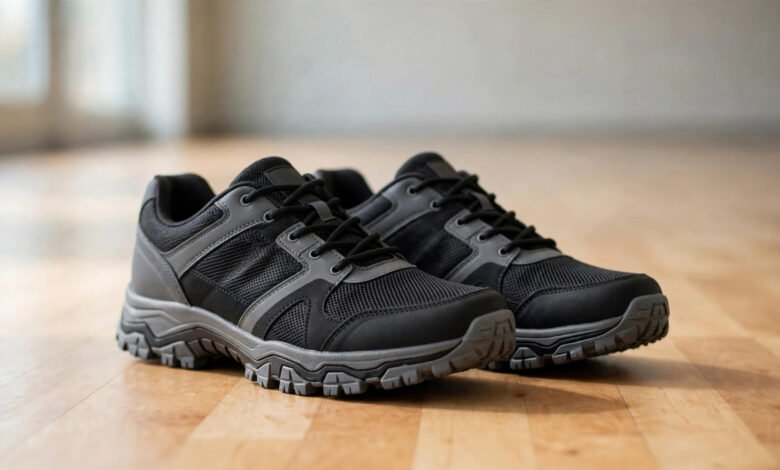
If you train in a bit of everything — some weights, some conditioning, a class here and there — you know how annoying it is to have a shoe that only feels right for one of those things. Running shoes can feel wobbly under a barbell. Heavy lifting shoes feel clumsy the moment you start moving fast. That middle ground is exactly where the Under Armour Men’s Charged Commit TR 5 training shoes sit, and it is why they keep showing up in gym bags.
This is not a shoe trying to be the flashiest thing on the shelf. It is a workhorse. The idea behind it is simple: give you a stable base for lifting, enough cushioning to stay comfortable through a full session, and grip that holds when you change direction. Whether that balance actually works for your kind of training is the real question, so let us walk through it properly — the build, the feel, the fit, and the workouts where these shoes shine (and the few where they do not).
What Are the Under Armour Men’s Charged Commit TR 5 Training Shoes?
The Charged Commit TR 5 is a men’s cross-training shoe from Under Armour, designed for gym-based workouts rather than long-distance running. The “TR” in the name points to training, and the “Charged” part refers to Under Armour’s Charged Cushioning foam, which is meant to absorb impact and bounce a little energy back with each step.
Think of it as a generalist. It is built for people whose workouts mix strength work, short bursts of cardio, agility drills, and functional movements — the kind of session where you might go from squats to sled pushes to box step-ups without changing shoes. If your training looks like that, this shoe was made with you in mind.
A quick note on expectations: no single shoe does everything perfectly. A dedicated running shoe will always feel better on a long run, and a dedicated lifting shoe will feel more planted under a very heavy squat. The Commit TR 5 trades a little of that specialization for versatility, and for most gym-goers, that trade is worth it.
Design and Build: What You Get
Look at the shoe and the first thing you notice is that it looks like a proper training shoe — purposeful, not overdone. The upper is made from a breathable mesh with synthetic overlays in the areas that take the most stress. That combination matters more than it sounds: the mesh keeps air moving so your feet do not overheat during a hard session, while the overlays add structure and help the shoe hold its shape over time.
Around the midfoot, the shoe feels locked in. That is important, because a lot of gym movements — lateral shuffles, quick cuts, split squats — put sideways force on your foot. A shoe that lets your foot slide around inside it makes those movements feel sloppy and, frankly, a bit unsafe. The Commit TR 5 does a good job of hugging the midfoot without feeling like a vice.
The heel area is firmer and more structured, which gives you a stable platform when you are pushing through your heels on a deadlift or a squat. The toe box, meanwhile, has enough room for your toes to spread naturally, which helps with balance. It is not a wide shoe by default, but it does not pinch the way some sleeker trainers do.
Underneath, the outsole uses a rubber compound with a tread pattern designed for grip on gym floors. It is not a chunky trail lug pattern — it is flatter and more consistent, which is what you want indoors. It grips polished wood, rubber gym flooring, and turf-style surfaces well, and it does not squeak and slide the way some running outsoles do on a gym floor.
Comfort and Cushioning: How They Feel All Session
Comfort is where the Charged Cushioning foam earns its keep. The midsole uses this foam to soften landings and take the sting out of jumps, burpees, and quick footwork. It is responsive without being bouncy — you feel a bit of spring, but you never feel like you are standing on a marshmallow, which would be a problem under weights.
First impressions: straight out of the box, the shoe feels comfortable. There is a short break-in period — a session or two — while the upper moulds to your foot, but most people find they can train in them from day one without blisters or hot spots. The insole is cushioned and removable, so if you use custom insoles or orthotics, you can swap them in easily.
During longer sessions: this is where cheaper training shoes often fall apart, literally and figuratively. The Commit TR 5 holds up well through a 60 to 90 minute session. The cushioning does not flatten out halfway through, and the breathable upper means your feet stay reasonably cool even when the workout heats up. If you train in a warm gym or you tend to run hot, that ventilation is genuinely noticeable.
One honest caveat: if you are used to the plush, pillowy feel of a max-cushion running shoe, this will feel firmer. That firmness is deliberate — a soft, squishy midsole is the last thing you want when you are balancing under a barbell — but it is worth knowing so the first wear does not surprise you.
Traction and Stability: The Part That Matters Most
For a training shoe, stability matters more than almost anything else. You can forgive a shoe that is a little plain-looking, but you cannot forgive one that rolls or slips when you are mid-lift.
The Commit TR 5 gets this right in a few ways. The base is fairly wide and flat, which gives you a solid platform. The heel is not overly raised, so you stay connected to the ground rather than perched on top of a tall stack of foam. And the outsole tread grips well in multiple directions, not just forward — important for lateral movement, agility ladders, and side-to-side drills.
Where this shows up in real training:
- Squats and deadlifts: the flat, stable base lets you push through your whole foot without feeling like the shoe is compressing unevenly.
- Lunges and split squats: the shoe stays planted when your front foot lands, and the midfoot lockdown keeps your foot from sliding forward.
- Agility work: quick changes of direction feel controlled rather than sketchy.
- Short cardio bursts: treadmill intervals, rower-to-floor circuits, and jump rope feel fine, though this is not the shoe for a long outdoor run.
If your training is mostly heavy, slow strength work, you might eventually want a dedicated lifting shoe — but for the mixed sessions most people actually do, the stability here is more than enough.
Fit and Sizing: What to Know Before Ordering
Fit is the one area where it pays to be careful, because getting it wrong can ruin an otherwise great shoe.
Sizing: the Charged Commit TR 5 generally fits true to size for most people. If you are between sizes, or you like a little extra room in the toe box for longer sessions, going up half a size is a sensible move. If you have wider feet, try them on first if you can, or order from a retailer with a straightforward return policy so you can check the fit at home.
Width: the standard width works well for average to slightly wide feet, thanks to the reasonably roomy toe box. Very wide feet may find the midfoot snug, so the break-in period matters more there.
Lacing: the laces run through a standard eyelet setup, and taking a moment to lace them properly — snug through the midfoot, not strangling your ankle — makes a real difference to how locked-in the shoe feels. It sounds obvious, but a lot of fit complaints come down to rushed lacing rather than the shoe itself.
Trying them on: if you can, try them on in the afternoon or evening, when your feet are slightly larger, and wear the socks you actually train in. Walk around, do a few bodyweight squats, and check that your toes are not hitting the front and your heel is not slipping. That two-minute test tells you more than any size chart.
Which Workouts Suit These Shoes Best?
Not every shoe suits every session, so here is a plain-English rundown of where the Commit TR 5 fits into a training week.
| Workout type | How the Commit TR 5 performs |
|---|---|
| Strength training (squats, presses, deadlifts) | Excellent — stable, flat base and firm heel |
| HIIT and circuit training | Very good — cushioning handles jumps, grip handles quick changes |
| Cross-training and functional fitness | Very good — built exactly for mixed sessions |
| Agility and footwork drills | Good — lateral support and multi-direction grip |
| Short treadmill runs and intervals | Good for short efforts, not ideal for long runs |
| Long-distance running | Not recommended — a running shoe is the better tool |
| Heavy Olympic lifting | Decent for moderate weights; specialists may prefer a lifting shoe |
The pattern is clear: the more mixed your session, the better this shoe looks. If you do one thing only — say, you only run, or you only powerlift — a specialist shoe will serve you better. But if your week looks like most people’s, with a bit of everything, this is a strong all-rounder.
Charged Commit TR 5 vs Other Training Shoes
How does it stack up against the usual alternatives?
| Shoe type | Best for | Compared with the Commit TR 5 |
|---|---|---|
| Charged Commit TR 5 | Mixed gym training | The balanced middle ground |
| Dedicated running shoes | Road and treadmill running | Softer and bouncier, but wobbly under weights |
| Dedicated lifting shoes | Heavy squats and Olympic lifts | More planted under max loads, but stiff for anything else |
| Minimalist / barefoot-style shoes | Natural-feel training | Closer to the ground, but far less cushioning and protection |
| Budget gym trainers | Occasional light sessions | Cheaper, but cushioning and grip tend to wear out faster |
The bottom line of the comparison: the Commit TR 5 does not win any single category outright, and that is fine. It wins on versatility. One pair covers your whole training week, which is exactly what most gym-goers need — and it usually works out cheaper than buying two or three specialist pairs.
Durability: Will They Last?
A training shoe lives a hard life. It gets dragged across rubber flooring, scraped on turf, and soaked in sweat. Durability is not a luxury; it is part of the value.
The Commit TR 5 holds up well under regular gym use. The synthetic overlays protect the mesh in high-wear areas, the outsole rubber is hard-wearing on indoor surfaces, and the midsole foam keeps its bounce for a long time rather than going flat after a few weeks. Most people training three to five times a week should get many months of solid use out of a pair, though exactly how long depends on your body weight, how hard you train, and the surfaces you use.
A few habits that extend their life:
- Use them for training only. Wearing gym shoes all day, every day wears the cushioning down faster and packs the foam out. Keep a separate pair for daily wear if you can.
- Let them dry out. After a sweaty session, loosen the laces and let them air out rather than stuffing them straight into a closed bag.
- Rotate if you train daily. Two pairs rotated through the week last noticeably longer than one pair worn every day, because the foam gets time to recover between sessions.
- Clean them gently. A soft brush and mild soap handle most gym grime. Avoid machine washing unless the care label says otherwise, as heat and agitation can break down glues and foam faster.
Who Should Buy Them — and Who Should Skip Them
You will probably love these shoes if: you train in the gym several times a week and your sessions mix weights, cardio, and functional work; you want one reliable pair rather than a shelf full of specialists; you value stability and grip over maximum softness; you like Under Armour’s fit and styling and want a shoe that also looks fine outside the gym.
You might want something else if: you mainly run long distances — get a proper running shoe instead; you compete in powerlifting or Olympic lifting at heavy loads — a dedicated lifting shoe will feel more secure; you need a very wide fit or have specific orthopaedic requirements — try before you buy, or look at wide-fit options; you want a fashion-first sneaker — this is a training tool first, and it looks like one.
Price and Value: What to Expect
Prices for the Under Armour Men’s Charged Commit TR 5 training shoes vary by retailer, size, and colourway, and they often drop during seasonal sales. That variation is worth using to your advantage: if you are not in a rush, it pays to compare a few retailers and watch for discounts, especially on less popular colourways, which are often identical in build and performance.
In terms of value, the shoe sits in a sensible middle range for a branded training shoe. You are paying for a well-built, versatile shoe from a major sportswear brand, not a bargain-basement pair and not a premium flagship. Given how many types of session one pair covers, most buyers find the cost per wear works out well — especially compared with buying separate shoes for lifting, classes, and conditioning.
If you are shopping around for training gear more broadly, you might also enjoy browsing related fitness and lifestyle reads over at The Modern Post and Daily Orvix, where you will find more practical guides in a similar vein.
Frequently Asked Questions
Are Under Armour Men’s Charged Commit TR 5 training shoes good for running?
They handle short runs and treadmill intervals well, but they are not built for long-distance running. If you regularly run more than a few kilometres at a time, a dedicated running shoe will be more comfortable and better for your joints over distance.
Do these shoes fit true to size?
For most people, yes. If you are between sizes or prefer extra toe room, going up half a size is a safe choice. Trying them on with your usual training socks is the best way to be sure.
Are they good for weightlifting?
Yes, for general strength training they are very good — the flat, stable base and firm heel work well for squats, presses, and deadlifts at moderate to heavy weights. Competitive lifters chasing maximum loads may still prefer a specialist lifting shoe.
How do you clean Charged Commit TR 5 shoes?
Brush off loose dirt, wipe with a damp cloth and mild soap, and let them air dry away from direct heat. Avoid harsh chemicals and, unless the care label says otherwise, skip the washing machine.
Are they comfortable for all-day wear?
They are comfortable enough for a few hours, but they are designed for training, not all-day standing or walking. If you want an everyday shoe, a walking or lifestyle shoe will suit you better.
Do they work for wide feet?
The toe box is reasonably roomy, so slightly wide feet usually fit fine, but very wide feet may find the midfoot snug. If that sounds like you, try them on before committing.
Conclusion
The Under Armour Men’s Charged Commit TR 5 training shoes are not trying to be the most exciting shoe in the shop, and that is precisely their strength. They are stable under weights, comfortable through long sessions, grippy on gym floors, and versatile enough to cover almost everything a typical training week throws at them. If you want one dependable pair for the gym rather than a collection of specialists, they are a genuinely smart buy.
Try them on properly, lace them well, and give them a session or two to break in. Chances are, they will quietly become the pair you reach for every time you head to the gym — which, for a training shoe, is about the highest praise there is.
Read Also: Sam. Women’s Freestyle Down Jacket With Thumbhole Cuffs



One Comment