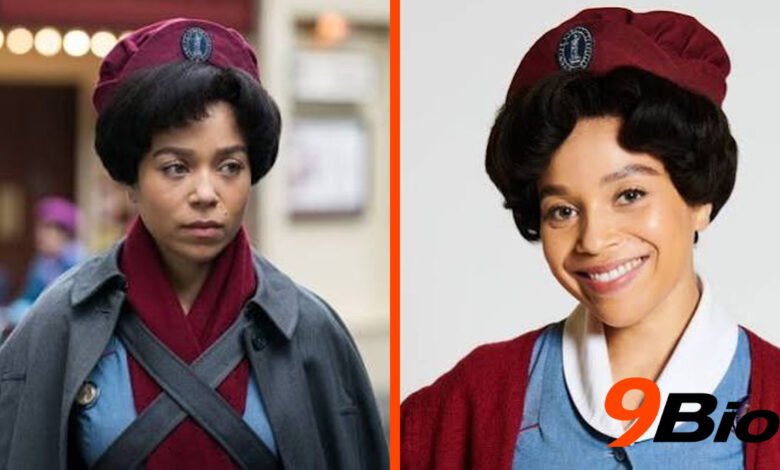
Anderson Lucille is the maiden-name identity of Lucille Robinson, a fictional Jamaican nurse and midwife in the BBC drama Call the Midwife. British actress Leonie Elliott portrays the character, who first appears in Season 7. Her story follows a young Caribbean woman who travels from Jamaica to England to train as a nurse during a period of major social and cultural change.
Unlike a celebrity biography, Anderson Lucille’s story is rooted in historical drama. Her character represents the experiences of Caribbean nurses who came to Britain during the 1960s to work within the expanding National Health Service. Her journey combines professional ambition, racism, relationships, community service, and personal resilience.
Quick Bio Table
| Detail | Information |
|---|
| Full name | Lucille Robinson |
| Maiden name | Anderson |
| Character type | Fictional character |
| Series | Call the Midwife |
| Portrayed by | Leonie Elliott |
| Birthplace | Mandeville, Jamaica |
| Birth year | 1940 |
| Profession | Nurse and midwife |
| First appearance | Season 7 |
| Husband | Cyril Robinson |
| Original nationality | Jamaican |
| Main setting | Poplar, East London |
Who Is Anderson Lucille?
Anderson Lucille is the maiden name of Lucille Robinson, a notable nurse in Call the Midwife. She is a fictional character created for the series, though her experiences reflect the real history of Caribbean healthcare workers who came to Britain.
Lucille was born in Mandeville, Jamaica, in 1940. Before moving to England, she worked as a librarian. In 1960, she traveled to England to train as a nurse. Her professional journey eventually brought her to Nonnatus House in Poplar, East London.
Leonie Elliott plays the character and joined the regular cast in the show’s seventh season. Lucille’s storyline explores race, immigration, professional identity, relationships, and the challenges Black Caribbean women faced in Britain during the 1960s.
Early Life and Background
According to the official character biography, Anderson Lucille grew up in a comfortable middle-class Jamaican household. Her father, Alfred Anderson, worked as a teacher, while her mother, Hortense, was a housewife who raised a large family.
Her upbringing strongly influenced her personality. Lucille was educated, ambitious, and determined to experience life beyond her home community. Her mother encouraged her to broaden her horizons rather than remain limited to life in a provincial Jamaican town.
Before becoming a nurse, Lucille worked as a librarian. That background helps establish her as an educated young woman with ambitions beyond traditional expectations.
Her decision to travel to England became the defining turning point in her life. Nursing offered a professional path while also placing her directly inside Britain’s changing postwar society.
Career
Lucille Anderson’s career began when she decided to train as a nurse in England. She traveled there in 1960, when Britain was actively seeking workers from Caribbean countries to support the expanding NHS.
Lucille completed her nursing training, including district experience, at a teaching hospital in Taunton, Somerset. The experience was not always welcoming. She encountered prejudice and racism, creating a sharp contrast between her expectations of helping Britain and the treatment she sometimes received.
Her arrival at Nonnatus House marks another major stage in her professional life. She joins the team as a trained nurse and midwife working with mothers and families in Poplar.
At first, Lucille sees nursing partly as a way to build a better future. However, her relationship with the profession changes as she grows closer to her patients and colleagues. The work gradually becomes more than employment; it becomes a vocation.
Her nursing story also allows the series to explore healthcare in working-class East London. Lucille treats patients from different backgrounds while navigating social attitudes toward race and immigration.
She develops friendships with colleagues including Valerie Dyer, Trixie Franklin, and Nurse Phyllis Crane. These relationships become central to her integration into Nonnatus House.
The character’s professional identity is especially significant because she is presented as both highly capable and deeply human. Her intelligence does not protect her from discrimination, but her professionalism repeatedly demonstrates her value within the medical community.
The historical context also matters. Caribbean nurses played an important role in Britain’s postwar healthcare system, and the character reflects that wider story through fictionalized events.
Rise to Public Recognition
Anderson Lucille gained wider recognition through Call the Midwife, particularly after her introduction in Season 7. The series presented her as the first West Indian midwife featured as a regular character.
Her storyline attracted attention because it moved beyond traditional period-drama narratives. Lucille’s experiences address racism, migration, professional ambition, and the changing role of Caribbean communities in Britain.
Leonie Elliott’s performance also helped establish Lucille as an important member of the Nonnatus House ensemble. Rather than functioning only as a supporting character, Lucille receives substantial storylines involving her career, friendships, marriage, and personal struggles.
Personal Life
Anderson Lucille’s personal life develops alongside her professional responsibilities. She is portrayed as sociable, determined, and warm, while also maintaining a more formal public manner shaped by her upbringing and nursing training.
Outside work, Lucille enjoys church, social gatherings, movies, cards, and other everyday activities. Her personality becomes increasingly relaxed as she builds friendships in Poplar.
Her life also demonstrates the tension between independence and belonging. She travels to Britain to create a professional future, yet gradually develops emotional connections with the community around Nonnatus House.
Marriage and Family
Lucille’s most important relationship is with Cyril Robinson, a British Guianese immigrant who becomes her husband. Their relationship develops over time rather than appearing immediately.
The couple eventually becomes engaged and later marries on Boxing Day during Season 11. Their marriage is significant because both characters are immigrants navigating life in Britain while building a shared future.
Their relationship also faces serious difficulties. The couple experiences a miscarriage, creating one of the more painful storylines connected to Lucille’s personal life.
Later, Lucille’s increasing emotional distress in Poplar contributes to her decision to return to Jamaica in Season 12. Her departure marks an important change in the character’s story.
Major Life Events
Several events define Anderson Lucille throughout Call the Midwife. Her move from Jamaica to England establishes the foundation of her story, while her nursing training gives her a professional identity.
Her arrival at Nonnatus House introduces her to a new community and exposes her to both friendship and racism. Her relationship with Cyril eventually leads to marriage, creating another major chapter in her life.
The miscarriage experienced by the couple becomes a deeply difficult turning point. Later, Lucille’s decision to return to Jamaica reflects the emotional consequences of her experiences in Poplar.
Together, these events create a character arc centered on professional purpose, migration, relationships, and personal wellbeing.
Public Image and Legacy
Anderson Lucille’s legacy comes primarily from her role in representing Caribbean nurses in a popular British television drama.
Her character connects fictional storytelling with a genuine historical context. Caribbean workers contributed significantly to Britain’s postwar public services, including healthcare.
Lucille’s story gives viewers a personal perspective on that period. Her experiences show both the opportunities available through the NHS and the discrimination that Black Caribbean professionals could encounter.
For this reason, her character remains relevant beyond individual storylines.
Why People Search for Anderson Lucille
People search for Anderson Lucille mainly because of her connection to Call the Midwife. Viewers often want to know who Lucille is, who plays her, where the character came from, and what happened to her later in the series.
Search interest also comes from questions about her relationship with Cyril Robinson, her nursing career, her Jamaican background, and her departure from Poplar.
Because Lucille is fictional, searches about her biography should be distinguished from searches about real people named Lucille Anderson.
Privacy, Accuracy and Public Information
Anderson Lucille is a fictional television character, not a real celebrity. Details about her age, family, career, relationships, and major life events come from the show’s official character material and storylines.
The actress who portrays her, Leonie Elliott, is a real person with a separate biography. Mixing the character’s information with Elliott’s personal history can create inaccurate claims.
For that reason, attribute character details to Call the Midwife rather than presenting them as real-world biography.
Conclusion
Anderson Lucille remains an important character in Call the Midwife because her story combines professional ambition with the realities of migration and racism in 1960s Britain. Born in Jamaica and trained as a nurse in England, Lucille builds a meaningful life at Nonnatus House while facing difficult personal and social challenges. Her marriage to Cyril and eventual return to Jamaica give the character a complex journey that extends well beyond her nursing career.
More Celebrity: Explore in-depth biographies, career journeys, family backgrounds, and the latest updates on your favorite celebrities at 9Bio.co.uk.
(FAQs)
Is Anderson Lucille a real person?
No. Anderson Lucille is a fictional character from Call the Midwife. Her maiden name is Anderson, while she later becomes known as Lucille Robinson. The character was created for the television drama and is portrayed by British actress Leonie Elliott.
Who plays Lucille Anderson in Call the Midwife?
Leonie Elliott plays Lucille Anderson. Elliott joined Call the Midwife in Season 7 as Lucille, a Jamaican nurse recruited to work in Britain. Her performance helped establish the character as an important part of the Nonnatus House story.
Where was Lucille Anderson born?
According to the official Call the Midwife character biography, Lucille was born in Mandeville, Jamaica, in 1940. She later traveled to England in 1960 to train as a nurse before eventually working at Nonnatus House.
Is Lucille Anderson married?
Yes. Lucille eventually marries Cyril Robinson. Their relationship develops over several seasons before they marry on Boxing Day in Season 11. Their marriage becomes an important part of Lucille’s personal storyline.
Why did Lucille Anderson leave Call the Midwife?
Lucille returned to Jamaica during Season 12 after experiencing increasing emotional distress connected with her life in Poplar. Her departure followed difficult personal experiences and represented a major change in her storyline.
Is Anderson Lucille the same person as Leonie Elliott?
No. Anderson Lucille is the fictional character, while Leonie Elliott is the actress who portrays her. Elliott is a real British performer, whereas Lucille Anderson exists within the fictional world of Call the Midwife.