
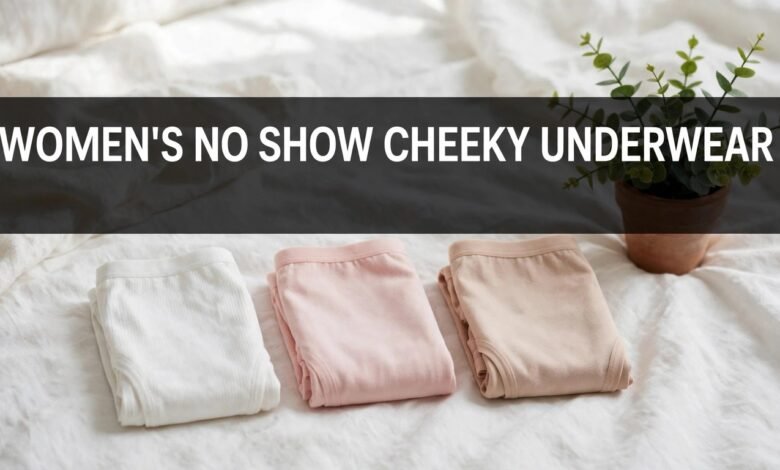
Finding underwear that disappears under clothes without disappearing on comfort is harder than it sounds. Women’s no show cheeky underwear promises exactly that: no visible lines, a flattering cut and a fit you forget you are wearing. But anyone who has bought a pair that rolled, rode up or showed through leggings knows the promise does not always hold.
The difference between a pair you reach for every day and a pair that sits unused in the drawer usually comes down to three things: the cut, the fabric and the fit. Get those right and cheeky no show styles work under jeans, dresses, leggings and work trousers alike. Get them wrong and no label on the packet will save the day.
This guide walks through what cheeky no show underwear actually is, how it compares with other cuts, which fabrics perform best, how to measure for the right size, and how to care for your pairs so they keep their shape. By the end, you will know exactly what to look for before you buy.
What Is Women’s No Show Cheeky Underwear?
Women’s no show cheeky underwear combines two ideas in one garment. “No show” means the edges are designed to stay invisible under clothing: flat, bonded or laser-cut hems instead of thick elastic seams that press lines into the skin and show through fabric. “Cheeky” describes the cut at the back. It covers less than a brief or a bikini but more than a thong, leaving the lower part of the buttocks partly exposed while the front stays fully covered.
The result is a middle ground that many women prefer. It gives more coverage and support than a thong, which makes it comfortable for long days, while the narrower back and flat edges keep it hidden under fitted clothes. The front usually sits at a mid or low rise, and the leg openings are cut to follow the natural line of the body rather than digging in.
No show cheeky styles are most often made from smooth, stretchy fabrics such as microfiber, modal or a nylon and elastane blend. These materials lie flat against the skin, which is the whole point: any bulk at the edge defeats the purpose. Cotton versions exist too, and they suit women who prefer natural fibres, though cotton edges are harder to make truly invisible.
Why No Show Cheeky Underwear Has Become So Popular
A few years ago, the choice was simple: wear a thong for invisible lines or accept visible panty lines with anything else. Cheeky no show underwear changed that trade-off, and its popularity has grown for good reasons.
First, comfort matters more than it used to. Many women spent years tolerating thongs under fitted outfits and eventually looked for something that felt better without giving up the smooth look. Cheeky cuts answer that directly. They stay in place, they do not have a string sitting between the cheeks all day, and they still vanish under clothes.
Second, fabrics improved. Laser-cut edges, bonded hems and ultra-thin microfiber made it possible to build underwear with almost no edge at all. Older seamless styles often relied on tight elastic that squeezed and rolled; modern versions use a wider, flatter grip that holds without digging.
Third, wardrobes changed. Leggings, bodycon dresses, slim trousers and soft knit skirts are everyday clothes now, and all of them show panty lines easily. A drawer with a few reliable no show pairs solves the problem across the whole wardrobe, which is why so many women now treat them as basics rather than occasion wear.
Cheeky vs Bikini vs Brief vs Thong: How the Cuts Compare
Choosing a cut is easier when you can see the trade-offs side by side. Each style has a place, and the best choice depends on the outfit and on what feels good to you.
| Cut | Back coverage | Visible lines | Comfort for all-day wear | Best under |
|---|---|---|---|---|
| Cheeky | Moderate, lower cheek partly exposed | Very low with flat edges | High | Leggings, dresses, slim trousers |
| Bikini | Moderate to full | Medium | High | Jeans, skirts, everyday outfits |
| Brief | Full | Higher, depends on seams | High | Loose trousers, skirts, sleep |
| Thong | Minimal | Lowest | Varies by person | Bodycon dresses, tightest outfits |
| Boyshort | Full, extends down the thigh | Medium to high | High | Skirts, dresses, lounging |
Cheeky sits in the sweet spot for most fitted outfits. It gives you almost the same invisible effect as a thong with noticeably more fabric at the back, which most women find more comfortable and more secure. Bikinis are a fine everyday choice, but their wider back panel and thicker leg elastic are more likely to show under thin or stretchy fabric. Briefs are comfortable and practical, but they are the hardest to hide. Thongs still win under the very tightest clothes, yet many women only reach for them when nothing else will do.
The honest answer is that no single cut covers every outfit. A small rotation works best: cheeky no show pairs for fitted days, bikinis or briefs for relaxed outfits, and a thong kept for the rare dress that truly needs one.
The Fabrics That Matter Most
Fabric decides how a pair feels after eight hours, how invisible it stays, and how long it lasts. Here is what each common option brings.
Microfiber
Microfiber is the workhorse of no show underwear. It is smooth, light and slightly stretchy, and it lies flat against the body, which is exactly what invisible edges need. It dries quickly, holds its shape well through many washes, and rarely pills. The trade-off is breathability: cheaper microfiber can feel warm, so look for styles with a cotton gusset, which is the small lined panel in the crotch, for everyday comfort.
Modal and Micromodal
Modal is made from beech tree fibres and feels soft, cool and silky against the skin. It drapes well, resists shrinking and keeps its softness after washing. Micromodal is a finer version that feels even lighter. Women with sensitive skin often prefer modal because it is gentle and breathes better than standard synthetics. It can cost a little more, but it tends to last well when washed gently.
Cotton and Cotton Blends
Cotton is breathable, familiar and kind to sensitive skin, which is why it remains the most recommended everyday fabric. Pure cotton is harder to make truly no show because it is thicker and its edges are bulkier, but cotton blended with a little elastane solves much of that problem. A cotton-blend cheeky pair with laser-cut edges is a good everyday compromise.
Nylon and Elastane Blends
Nylon adds smoothness and strength, while elastane, also sold as spandex or Lycra, adds the stretch that keeps the garment hugging the body without squeezing. Most no show styles use some version of this blend. Check the label: around 10 to 20 percent elastane usually gives a good balance of hold and comfort. Much more than that can feel tight and restrictive.
Lace Trim and Mesh Panels
Lace and mesh appear on many cheeky styles, mostly for looks. Flat lace can work under clothes, but raised or stiff lace will show through thin fabric and can feel scratchy. If you love the look, choose soft, flat lace and save those pairs for outfits with thicker fabric.
How to Find Your Perfect Fit
Fit is where most no show purchases go wrong. The style only works when the edges sit flat against the body, and that depends on size, rise and the shape of the leg openings.
Measure Before You Buy
Sizes vary widely between brands, so the letter on the packet matters less than your measurements. Measure your waist at its narrowest point and your hips at their widest, standing relaxed with the tape level. Compare both numbers with the brand’s size chart and go with the hip measurement if the two point to different sizes. If you are between sizes, size up: no show edges that are too tight will roll and dig in, which creates exactly the lines you were trying to avoid.
Choose the Right Rise
Rise is where the waistband sits. Low rise sits on the hips and suits low-rise jeans and skirts. Mid rise sits just below the belly button and works under most trousers and dresses, making it the most versatile choice. High rise sits at or above the belly button and pairs well with high-waisted outfits, though the waistband may show under a cropped top. Match the rise to the waistline of the clothes you wear most.
Check the Leg Openings
The leg openings decide whether a pair stays put or rides up. They should follow the crease where the leg meets the body without pressing into the skin. If you see red marks when you take a pair off, the openings are too tight. If the fabric bunches at the sides, they are too loose. Cheeky cuts vary a lot here: some have a higher cut that shows more cheek, others sit lower and offer more coverage. Trying one pair before buying a multipack is worth the patience.
Try the Sit Test
Before committing to a style, wear it for a normal day at home: sit down, stand up, walk around, climb stairs. A good pair stays where you put it. A poor one needs adjusting within the hour, and that will not improve with wear. The sit test catches problems that a quick try-on in front of a mirror never shows.
How to Stop Visible Panty Lines for Good
No show underwear handles most of the work, but the outfit and the fit still play a part. A few habits make the invisible effect reliable.
Start with the right size, as covered above: tight edges create lines, loose edges bunch. Then match the colour to the outfit rather than to your skin. Nude shades that match your own skin tone disappear best under white or pale clothes, while black or dark pairs are safest under dark fabrics. White underwear under white clothes is a common mistake: white fabric shows through white fabric more than a nude tone does.
Thicker fabrics hide more than thin ones. Under a fine knit dress or thin leggings, even the best no show pair can show if the outer fabric clings. A slip or a smoothing layer under very thin dresses helps more than any underwear can. Finally, check the back view before you leave. A quick look in a mirror, bending slightly as you would to pick something up, shows what a front view never will.
Comfort Problems and How to Avoid Them
Most complaints about cheeky underwear trace back to fit or fabric, and most are fixable.
Riding Up
Riding up usually means the leg openings are too loose or the elastane has worn out. Choose a style with a slightly wider, bonded edge around the legs, and replace pairs once the stretch fades. A pair that fit perfectly six months ago may not hold its shape forever.
Waistband Rolling
A narrow waistband rolls when it is too tight or when the rise is wrong for your body shape. Wider, flat waistbands spread pressure and stay put far better. If a waistband rolls the moment you sit down, the size is wrong, not the style.
Digging and Red Marks
Any elastic that leaves deep red marks is too tight. Size up, or switch to a brand whose cut suits your hip shape better. Discomfort that appears after an hour or two is a sizing problem, not something to break in.
Chafing and Irritation
Chafing comes from seams, rough lace or damp fabric sitting against the skin. Smooth, flat seams and a breathable cotton gusset prevent most of it. Change out of damp pairs after exercise rather than staying in them, and avoid styles with raised decorative seams on days when you will be walking a lot.
Wedgies
Cheeky cuts can ride up at the back if the rear panel is cut too narrow for your shape. A slightly wider back panel, or a style with a touch more coverage, usually solves it. The right pair should not need adjusting during the day at all.
Best Colours and Styles for Different Outfits
A small, well-chosen set covers nearly everything in the wardrobe. Three nude tones are the foundation: one close to your skin tone for light clothes, one black pair for dark outfits, and one or two colours you enjoy for days when nothing shows anyway.
Under white trousers or a pale dress, nude is the only safe choice. Under black leggings, black works, but nude works too. Under jeans, colour hardly matters, so this is where patterned or lace-trimmed pairs can come out. Under a bodycon dress, stick to the smoothest microfiber pair you own with the flattest edges.
Multipacks are good value once you know your size in a brand, but buy a single pair first when trying a new label. Multipacks of a style that does not fit are money wasted, however cheap they look per pair.
How to Wash and Care for No Show Underwear
No show edges are delicate by design, and rough washing ruins them faster than normal underwear. Cold or warm water, never hot, protects the elastane. A mesh laundry bag stops pairs from tangling and stretching in the machine. Skip fabric softener: it coats the fibres, reduces stretch and traps odours over time. Air drying is best, as tumble dryer heat breaks down elastane and makes edges curl and roll. If you must use a dryer, use the lowest heat setting.
Replace pairs when the waistband or leg edges lose their spring, when the fabric thins, or when the gusset lining wears. Most everyday pairs last around six months to a year with regular wear and washing. Keeping a few in rotation, rather than wearing the same two pairs constantly, extends the life of all of them.
Mistakes to Avoid When Buying
A few common errors cause most disappointing purchases. Buying the same size in every brand ignores the fact that sizing is not standardised. Choosing the cheapest multipack without checking the fabric means ending up with pairs that feel hot and lose shape quickly. Picking a style because it looks good in the photo, without considering the rise and leg cut for your body, leads to pairs that never get worn. And buying white for white outfits, as noted above, defeats the purpose.
Another mistake is ignoring the return policy. Underwear often cannot be returned once the packet is open, so check whether the seller allows exchanges for unworn pairs, and read reviews that mention sizing and riding up rather than only looking at the star rating.
Frequently Asked Questions
Is cheeky underwear comfortable for all-day wear?
Yes, for most women, provided the size and cut suit their body. Cheeky styles give more coverage than a thong, so there is no string to tolerate, and the flat edges of no show styles reduce digging. The key is the fit: a pair that is too small will ride up and irritate, while the right size is easy to forget about. Try one pair first and wear it for a full day before buying more.
Does no show underwear really hide panty lines?
It hides them very well under most clothes, but no underwear is invisible under every fabric. Thin, clingy materials can reveal even the flattest edges, especially when you bend or sit. For the best result, pair no show underwear with the right size, a nude tone under light clothes, and a slightly thicker outer fabric when you can.
What is the difference between cheeky and thong underwear?
A thong has a narrow strip at the back and minimal coverage, while cheeky underwear has a wider back panel that covers the upper part of the buttocks and leaves the lower part exposed. Cheeky styles feel more secure and are generally more comfortable for long wear, while thongs give the most invisible result under the tightest outfits.
Should I size up in no show underwear?
If you are between sizes, yes. No show styles rely on lying flat, and a too-tight pair will roll, dig in and create the lines it was meant to hide. Sizing up usually still looks smooth because the fabric has enough stretch to hug the body. Check the brand’s size chart against your hip measurement rather than guessing from your usual size.
What fabric is best for sensitive skin?
Cotton and modal are the gentlest choices for sensitive skin, as both breathe well and feel soft. Look for a cotton gusset even in synthetic styles, since that is the part in closest contact with the skin. Avoid rough lace, stiff trims and heavily fragranced detergents, all of which can irritate sensitive skin.
How many pairs of no show underwear do I need?
A rotation of five to seven pairs is enough for most women: a few nude tones for light and fitted outfits, a black pair for dark clothes, and one or two extras. Having several pairs means each one gets washed less often and keeps its stretch longer.
Conclusion
Women’s no show cheeky underwear earns its place in the drawer when the cut, fabric and fit all work together. The cheeky cut gives more comfort than a thong with nearly the same invisible effect, and modern flat-edge fabrics make it possible to wear fitted clothes without thinking about lines. Choose a breathable fabric with a cotton gusset, measure against the brand’s size chart, size up if you are between sizes, and test one pair for a full day before buying a multipack.
With those basics in place, this is one of the simplest upgrades you can make to your everyday wardrobe: underwear that stays invisible, stays put and stays comfortable from morning to night. Pick the right pairs, care for them gently, and they will do their job so well you forget they are there.
Read Also: Women’s Board Shorts: How to Choose the Perfect Fit and Style in 2026




One Comment