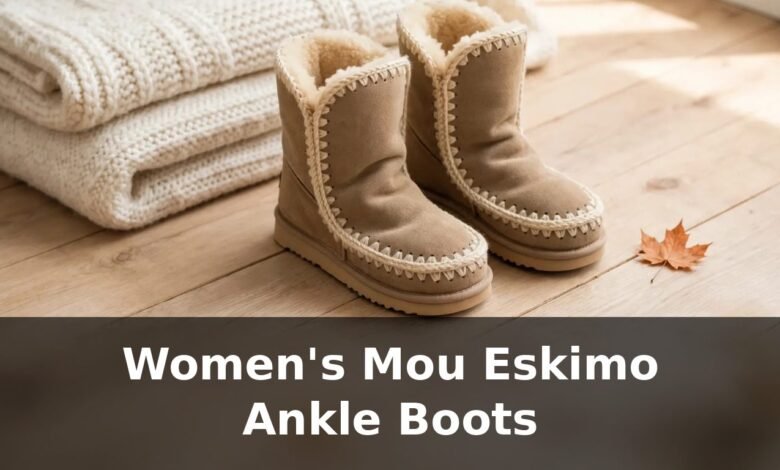
Every winter, the same boots come back into fashion. They are soft, warm, and instantly recognisable: suede uppers, a fluffy shearling cuff, and that distinctive hand-stitched seam running around the toe. Women’s Mou Eskimo ankle boots have quietly become a cold-weather staple, loved for comfort first and style second — though they manage both rather well.
If you are thinking about buying a pair, you probably have a few questions. What exactly are Mou Eskimo boots? How do they fit? Are they warm enough for real winter weather? How do you style them without looking like you are wearing slippers outdoors? And where should you buy them?
This guide answers all of that. It covers what the boots are made of, how the sizing works, how to wear them with everyday outfits, how to care for them so they last, and where to look when you are ready to buy.
The Short Answer
Women’s Mou Eskimo ankle boots are short, sheepskin-lined boots made by the Italian brand Mou. They are known for their soft suede uppers, thick wool lining, and the hand-crocheted stitching that runs around the sole and up the front. They are warm, comfortable, and easy to slip on, which makes them a popular choice for cold days, casual outfits, and anyone who wants comfort without giving up on style.
The bottom line: if you want a warm, easy winter boot that works with jeans, leggings, and knit dresses, the Mou Eskimo ankle boot is a strong option — as long as you get the sizing right and accept that suede needs a little care.
What Are Mou Eskimo Ankle Boots?
Mou is an Italian footwear brand that built its name on sheepskin boots. The Eskimo is its most recognisable style, and the ankle boot is the shorter version of it — a boot that sits just above the ankle rather than rising up the calf.
The design is deliberately simple. There are no zips, no laces, and no buckles to fuss with. You slide your foot in, and the soft sheepskin lining does the rest. That simplicity is part of the appeal: the boots feel more like a warm slipper than a structured shoe, but they are made to be worn outside.
The Key Features
A few details set the Eskimo ankle boot apart from other sheepskin boots:
- Sheepskin lining. The inside is lined with soft wool, which keeps feet warm in cold weather and helps regulate temperature so feet do not overheat indoors.
- Suede upper. The outer is usually suede, which gives the boots their soft, matte look and their slightly relaxed, casual feel.
- Hand-stitched seams. The most recognisable detail is the chunky crochet-style stitching that runs around the sole and up the front of the boot. It is a signature Mou detail and the easiest way to spot a pair.
- A light, flexible sole. The sole is designed for everyday walking rather than hiking or heavy outdoor use. It is comfortable on pavements and indoors, but it is not a rugged outdoor sole.
- A pull-on design. With no fastenings, the boots are easy to get on and off — one reason they are popular as a grab-and-go winter boot.
What Are They Made Of?
The materials are the whole point of these boots, so it is worth understanding what you are actually buying.
The upper is typically suede, a soft leather with a napped surface. Suede looks and feels lovely, but it is more delicate than smooth leather. It marks easily, it does not like rain, and it needs a protective spray if you want it to survive a wet winter.
The lining is sheepskin — real wool on a leather backing. This is what makes the boots so warm. Wool is a natural insulator, and it also wicks moisture away from the foot, which helps keep feet comfortable even when you are moving between cold streets and heated rooms.
Some versions use different finishes or colours, and Mou also makes variations with different linings and trims. But the classic Eskimo ankle boot is suede outside and sheepskin inside, and that combination is what most people picture when they think of the style.
Fun fact: the wool lining is so thick that many people find they do not need to wear socks with these boots at all. The sheepskin sits directly against the foot and keeps it warm on its own. Whether you wear socks is a matter of personal comfort — and of how much room you have inside the boot.
How Do Women’s Mou Eskimo Ankle Boots Fit?
Fit is the question that matters most with these boots, because they do not fit like a normal shoe. Get it wrong and they will feel either too tight to enjoy or so loose that your heel slips with every step.
They Run Small — Size Up
The most consistent advice from people who wear these boots is to size up. Mou Eskimo boots are known to run small, and the thick sheepskin lining takes up a lot of room inside the boot. Most wearers recommend going up a full size from your usual shoe size, and some go up even more if they plan to wear thick socks.
That advice comes with a caveat: sizing can vary between styles and between individual pairs, because sheepskin is a natural material and each pair is slightly different. If you are buying online, check the retailer’s sizing guidance and their returns policy before you order. If you can try them on in a shop, do — it is the surest way to get the fit right.
The Lining Settles Over Time
One thing that surprises first-time buyers is that the boots feel snug at first and then loosen up. The sheepskin lining compresses with wear, which creates more room inside the boot over the first few outings. So a pair that feels a little tight on day one may feel just right after a week of wear.
The trick is knowing the difference between “snug because the lining is new” and “too small.” If your toes are cramped or the boot pinches, that is too small. If the boot feels close-fitting but comfortable, and your toes have room to move, it will probably settle well.
Width and Comfort
The Eskimo ankle boot is a fairly roomy style once the lining settles. The toe area is rounded rather than pointed, which suits people who find narrow boots uncomfortable. There is no arch support to speak of, so if you need structured support for long walks, these are better as a casual, everyday boot than as a walking shoe.
They are also very light for a winter boot, which is part of their comfort. You can wear them all day without the heavy, clunky feeling that comes with some winter footwear.
Are Mou Eskimo Ankle Boots Warm?
Yes — warmth is one of their main selling points. The sheepskin lining is a natural insulator, and the ankle height keeps the wind off the lower leg. For typical UK winter weather, cold days, and short trips outside, they are more than warm enough.
There are limits, though. They are not snow boots. The suede upper is not waterproof, and the sole is not designed for ice or deep snow. In heavy rain or slush, the suede will soak through and the boots will take a long time to dry. If you live somewhere with harsh winters and a lot of snow, these are better as a dry-day boot than as your only pair.
For most people, the practical answer is this: they are wonderfully warm in dry cold weather, and they need a bit of protection and common sense in wet weather.
Styling Women’s Mou Eskimo Ankle Boots
One of the reasons these boots have stayed popular is that they are easy to style. They have a relaxed, slightly bohemian feel that works with a lot of casual outfits. Here are some combinations that work well.
With Skinny Jeans
This is the classic pairing. Tuck skinny jeans into the boots or let the jeans sit just above the boot top. The slim leg balances the soft, slightly bulky shape of the boot. Add a chunky knit jumper and a long coat, and you have a simple winter outfit that looks put together without much effort.
With Leggings
Leggings and Eskimo boots are a natural match for casual days. The boots add warmth and a finished look to an outfit that might otherwise feel too much like loungewear. A long jumper, a tunic, or an oversized shirt on top keeps the proportions balanced.
With Knit Dresses and Skirts
A knit dress with tights and Eskimo ankle boots is a comfortable cold-weather outfit that still looks intentional. The key is the length: a dress that ends above the knee or just below it works best, because it shows the boot without the hem competing with it. A midi skirt can work too, though the combination is more relaxed and boho than polished.
With Wide-Leg Trousers
Wide-leg trousers and ankle boots can work, but the proportions need care. The trouser should sit just above the boot or cover the top of it cleanly. If the hem pools around the boot, the outfit can look untidy. A cropped wide-leg trouser that shows the boot is usually the safer choice.
Colours That Work
The classic Mou Eskimo colours are neutrals: tan, beige, grey, black, and brown. Tan and beige are the most recognisable, and they go with almost everything in a winter wardrobe — denim, black, cream, olive, and burgundy all work well. Black is the most versatile if you want a pair that goes with everything, while grey is a softer alternative that suits lighter outfits.
What to Wear Them With — and What to Avoid
The boots have a casual, soft character, and they look best with outfits that share that feeling. Knitwear, denim, leather jackets, and long wool coats all sit naturally alongside them.
They are less suited to formal or tailored outfits. A sharp suit or a structured dress can clash with the boots’ relaxed, slipper-like feel. That does not mean you cannot mix them — fashion is personal — but if you want the boots to look their best, keep the rest of the outfit relaxed.
Weather matters too. These are dry-day boots. If the forecast is heavy rain, a different pair is a better choice. Suede and puddles do not mix, and no amount of styling can rescue a soaked boot.
How Much Do They Cost?
Mou Eskimo ankle boots sit in the premium range for a casual winter boot. They cost more than a basic high-street sheepskin boot, and the price reflects the materials, the handmade details, and the brand.
Prices vary by retailer, by colour, and by season. Some colours and sizes go on sale at the end of winter, and prices can differ noticeably between shops. Because prices change so often, the most useful approach is to check a few reputable retailers and compare what they are charging at the time you buy, rather than relying on a single figure quoted in an article.
What is worth knowing is the value question: are they worth the price? For most wearers, the answer comes down to how much you will wear them. If they become your everyday winter boot, the cost per wear is reasonable. If they will sit in the cupboard most of the time, a cheaper pair may make more sense.
Where to Buy Women’s Mou Eskimo Ankle Boots
You have a few options when buying these boots, and each has its advantages.
Department Stores and Fashion Retailers
Large department stores and well-known online fashion retailers often stock Mou boots. Buying from a recognised retailer has clear advantages: you can check the returns policy, you can be confident the boots are genuine, and you can often try them on in store if the retailer has a physical shop.
Specialist Footwear Shops
Specialist shoe shops that stock premium brands are another good option. Staff in these shops often know the brand well and can advise on sizing, which is genuinely useful with a boot that runs small.
The Brand’s Own Stockists
Mou sells through authorised stockists rather than only through its own channels. Buying from an authorised stockist is the safest way to make sure you are getting a genuine pair, and it also means the retailer’s sizing advice and aftercare guidance will be based on the real product.
What to Watch Out For
Because the boots are popular and premium-priced, counterfeit versions exist. A few warning signs are worth knowing:
- A price that looks too good to be true. If a site is selling the boots for far less than every other retailer, be cautious.
- An unfamiliar seller with no clear returns policy. Genuine retailers are open about returns, delivery, and customer service.
- Poor-quality stitching or materials. The hand-stitched seam is a signature detail. On a genuine pair it is neat and consistent. On a fake, it is often uneven or sloppy.
- No clear information about the seller. Check that the shop has a real address, contact details, and reviews from other customers.
If you are unsure, buy from a retailer you already know and trust. It is better to pay a little more for a genuine pair than to save money on a copy that will not last.
How to Care for Mou Eskimo Ankle Boots
Suede and sheepskin need more care than smooth leather, but the routine is simple once you know it. A little attention after each wear will keep the boots looking good for years.
Protect Them Before You Wear Them
Before the first outing, spray the suede with a protective spray made for suede and nubuck. This creates a barrier that helps repel water and stains. Let the spray dry fully before wearing the boots, and reapply it from time to time through the winter, especially after the boots have been cleaned.
Clean Them Gently
If the boots get marked, let any mud or dirt dry completely before you touch it. Once dry, brush it off gently with a suede brush, using light strokes in one direction. For small marks, a suede eraser — a small rubber block made for the purpose — can lift the mark without damaging the surface.
Avoid using water to clean suede unless you have to. Water can leave stains and change the texture of the surface. If the boots do get wet, stuff them with newspaper or clean cloth to hold their shape, and let them dry naturally away from direct heat. Never put them on a radiator or use a hairdryer on them — heat can damage both the suede and the sheepskin lining.
Look After the Sheepskin Lining
The lining needs little attention, but it helps to air the boots out after wearing them. Sheepskin can hold moisture, so leaving the boots in a well-ventilated place between wears keeps them fresh. If the lining starts to smell, a light sprinkle of baking soda left overnight and brushed out the next day can help, though for anything more serious a professional clean is the safer option.
Store Them Properly
At the end of winter, clean the boots, let them dry fully, and store them somewhere cool and dry. Stuffing them lightly with tissue paper helps them keep their shape. Avoid storing them in a damp place or in a sealed plastic bag, which can trap moisture.
Mou Eskimo Ankle Boots vs Other Sheepskin Boots
Sheepskin boots come in many forms, and it helps to know how the Mou Eskimo compares to the alternatives.
Mou Eskimo vs Classic Tall Sheepskin Boots
The tall boot covers the calf and is warmer overall, but it is also heavier and harder to style with some outfits. The ankle boot is lighter, easier to wear with jeans and dresses, and simpler to slip on and off. If you want maximum warmth, the tall version wins. If you want versatility, the ankle boot is the more practical choice.
Mou Eskimo vs Ugg-Style Boots
Ugg-style boots are the best-known sheepskin boots, and they share the same basic idea: suede outside, sheepskin inside. The Mou Eskimo is usually slimmer in shape, with a more defined silhouette and the distinctive stitched seam. Ugg-style boots tend to be rounder and softer in shape. Both are warm and comfortable; the choice between them is mostly a matter of style and fit.
Mou Eskimo vs Faux-Fur Boots
Cheaper boots often use synthetic fur instead of real sheepskin. They can look similar at a glance, but the difference shows in wear. Real sheepskin regulates temperature better, wicks moisture, and lasts longer. Synthetic linings can feel hot and sweaty indoors and may flatten or mat over time. If warmth and longevity matter to you, real sheepskin is worth the extra cost.
Who Are They Best For?
Mou Eskimo ankle boots suit a particular kind of wearer. They are best for:
- Anyone who feels the cold. If your feet are always cold in winter, the sheepskin lining makes a real difference.
- People who want comfort first. The pull-on design, light sole, and soft lining make these some of the most comfortable winter boots you can buy.
- Casual dressers. If your winter wardrobe is built around jeans, knitwear, and relaxed layers, these boots will fit right in.
- Short trips and everyday wear. School runs, shopping, dog walks on dry days, and coffee with friends — the boots are made for this kind of everyday use.
They are less suited to:
- Wet or snowy conditions. Suede and heavy rain do not mix.
- Long walks on rough ground. The sole is made for pavements, not trails.
- Formal outfits. The relaxed style clashes with tailored clothing.
- Anyone who needs strong arch support. The boots are soft and unstructured, which is comfortable but not supportive.
Common Mistakes When Buying
A few mistakes come up again and again with these boots, and they are all avoidable.
Buying Your Usual Size
This is the most common mistake. Because the boots run small and the lining is thick, your usual size is likely to feel tight. Size up, and check the retailer’s guidance before you order.
Wearing Them in the Rain
It is tempting to wear them every day once you own them, because they are so comfortable. But wearing suede boots in heavy rain will damage them. Keep a waterproof pair for wet days and save the Mou boots for dry ones.
Skipping the Protective Spray
A protective spray is not an optional extra. It is the single most useful thing you can do for suede boots, and it takes only a few minutes. Skipping it leaves the suede exposed to every mark and splash.
Buying From an Unverified Seller
A suspiciously cheap pair from an unknown website is rarely a bargain. Check the seller, check the returns policy, and buy from a retailer you trust.
FAQs
Do Mou Eskimo ankle boots run true to size?
No, they are generally known to run small. Most wearers recommend sizing up by at least one full size from your usual shoe size, because the thick sheepskin lining takes up room inside the boot. If you plan to wear thick socks, you may need to go up further. Always check the retailer’s sizing guide, and try them on if you can.
Are Mou Eskimo boots waterproof?
No. The suede upper is not waterproof, and the boots are not designed for wet weather. A protective spray helps repel light moisture, but it does not make them waterproof. In heavy rain or snow, they will get wet through. They are best worn on dry days.
Can you wear socks with Mou Eskimo ankle boots?
Yes, you can, though many people wear them without socks because the sheepskin lining is so warm and soft. Whether you wear socks is a matter of comfort and fit. If the boots feel snug, wearing them without socks gives you more room. If you prefer socks, choose thin ones and make sure you have sized up enough to allow for them.
How do you clean Mou Eskimo ankle boots?
Let dirt dry fully, then brush it off gently with a suede brush. Use a suede eraser for small marks. Avoid water where possible, and never use direct heat to dry them. Protect the suede with a spray made for suede before wearing them, and reapply it regularly through the winter.
Are Mou boots worth the money?
That depends on how much you will wear them. They are a premium-priced boot, but the materials and construction are good, and they last well with care. If they become your regular winter boot, the cost per wear is reasonable. If you only need an occasional pair, a cheaper alternative may be better value.
How long do Mou Eskimo ankle boots last?
With regular care — protective spray, gentle cleaning, and proper storage — they can last for several winters. The suede will show wear over time, which is normal for the material, but the boots themselves are well made. How long they last depends on how often you wear them and how well you look after them.
Are Mou Eskimo boots real sheepskin?
The classic Mou Eskimo boot is made with real sheepskin lining and a suede upper. That is what gives it its warmth and comfort. Cheaper lookalike boots often use synthetic materials instead, so if real sheepskin matters to you, buy from an authorised stockist and check the product description carefully.
Can you wear Mou Eskimo ankle boots in summer?
You can, but they are really a cold-weather boot. The sheepskin lining is designed to keep feet warm, so wearing them on a hot day is likely to feel too warm. They are at their best from autumn through to early spring.
Conclusion
Women’s Mou Eskimo ankle boots have earned their place as a winter favourite for good reason. They are warm, comfortable, and easy to wear, with a distinctive look that works with the casual outfits most of us live in during the colder months. The sheepskin lining, the suede upper, and the signature stitching add up to a boot that feels special without being fussy.
The key to enjoying them is getting the basics right: size up, protect the suede before you wear them, keep them for dry days, and buy from a retailer you trust. Do that, and you will have a pair of boots that carries you through winter after winter — comfortably, warmly, and in style.
Read Also: What’s the Difference Between Psychopath and a Sociopath