
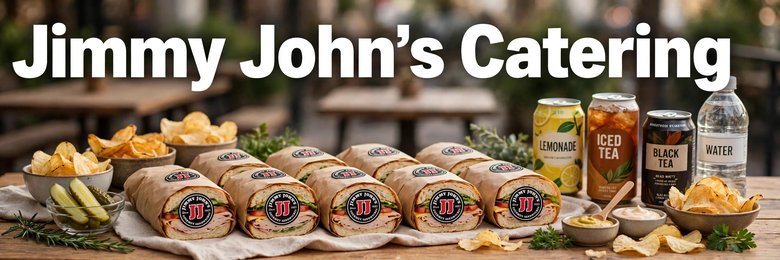
If you have ever tried to feed a crowd without spending your whole day in the kitchen, you already know why catering exists. The idea is simple: someone else makes the food, packs it up, and delivers it ready to serve, while you get on with hosting. Jimmy John’s catering follows that same idea, built around the sandwich shop’s familiar menu of sub sandwiches, sides, and drinks. Whether you are planning an office lunch, a family gathering, a study session, or a game-day get-together, it is worth understanding what is typically on offer, how ordering usually works, and what to check with your local shop before you place an order.
Before we go any further, one important note: Jimmy John’s is a franchise business, which means individual locations can differ. Menus, minimums, delivery areas, and prices can vary from one shop to another, and some locations may not offer every catering option. Treat this guide as a general overview of how Jimmy John’s catering usually works, and always confirm the details with the location that will actually fill your order. Prices in particular vary by location, so this article deliberately does not quote a fixed price list — anything that looks like an exact catering price online may be out of date or specific to a different city.
What Jimmy John’s Catering Actually Is
At its core, Jimmy John’s catering is the brand’s regular sandwich menu, scaled up for groups. Instead of ordering one sandwich at a time at the counter, you order in larger quantities designed to serve many people at once. The food is prepared at a local Jimmy John’s shop and then picked up or delivered, depending on what that location offers.
The appeal is easy to see. Sandwiches are one of the least complicated foods to serve to a group. They do not need reheating, they do not need plates and cutlery in the same way a hot meal does, and people can pick what they like and eat at their own pace. For a working lunch or a casual party, that simplicity is often exactly what the host wants.
Jimmy John’s built its reputation on speed — the chain is famous for its “freaky fast” delivery promise for regular orders — and that same emphasis on quick turnaround carries over into its catering approach. Orders are generally designed to be straightforward: pick your items, choose a quantity, set a time, and let the shop handle the rest.
What Is Usually on the Catering Menu
While the exact menu varies by location, Jimmy John’s catering typically revolves around a few familiar categories. Understanding these categories makes it much easier to plan an order that actually fits your group.
Party Subs and Sandwich Platters
The centerpiece of most Jimmy John’s catering orders is the sandwich platter. These are usually large subs or assortments of the shop’s regular sandwiches, cut into portions and arranged for sharing. A platter approach works well because it gives people variety without forcing the host to guess everyone’s individual preference.
When you order a platter, you will usually be choosing between a mix of the shop’s classic sandwiches — think turkey, ham, roast beef, tuna salad, veggie, and club-style combinations — rather than building each sandwich from scratch. If your group includes vegetarians or people with dietary restrictions, it is worth asking what meat-free options are available and whether items can be kept separate so nothing gets mixed up.
Mini Sandwiches and Boxed Lunches
Some locations offer smaller-format options, such as mini sandwiches or individually boxed lunches. Minis are a good fit for events where people will be standing, mingling, or eating in short breaks, because they are easy to pick up and eat with one hand. Boxed lunches, on the other hand, suit more structured occasions — a training day, a conference session, or a team meeting — where each person gets their own complete meal.
A boxed lunch typically includes a sandwich plus a side and sometimes a drink or a cookie, though the exact contents depend on the location. If you are comparing options, ask what is included in the box so you are not surprised later.
Sides, Chips, and Cookies
No sandwich spread feels complete without sides. Jimmy John’s catering orders commonly include chips, and many locations also offer cookies or brownies as a sweet finish. These extras are easy to overlook in planning, but they make a real difference to how generous the spread feels — a table with only sandwiches can look a bit bare, while adding chips and a dessert rounds it out nicely.
When you are deciding quantities, a good rule of thumb is to order sides for roughly the same number of people as the sandwiches. Running out of chips halfway through a lunch is a small thing, but it is the kind of detail guests notice.
Drinks
Many catering orders also include drinks, often in larger formats such as gallon jugs of lemonade or iced tea, or individual bottled drinks. If your event is in an office or a venue that already provides drinks, you may not need these — but for a park gathering, a home party, or a venue without a drinks setup, adding them saves a separate trip to the store.
As with everything else, confirm what drink options your local shop offers and how they are packaged. A gallon jug needs cups; bottled drinks need a cooler or a fridge.
How Ordering Jimmy John’s Catering Usually Works
Ordering catering from Jimmy John’s is generally a more hands-on process than placing a regular delivery order through an app, because larger orders need a bit more coordination. Here is how it typically goes.
Step 1: Find Your Local Shop
Start by identifying the Jimmy John’s location nearest to your event. Because catering is handled at the shop level, that location is the one that will confirm availability, pricing, and delivery options. You can usually find locations through the Jimmy John’s website or app, or by searching for the shop closest to your venue.
Step 2: Decide on a Headcount and a Budget
Before you call or order, settle two numbers: how many people you need to feed, and roughly how much you want to spend. The headcount drives everything else — quantities, platter sizes, and whether you need extras like drinks or desserts. If your guest count is uncertain, ask the shop about its ordering deadlines and whether you can adjust the order closer to the date. Some shops are flexible; others need a firm number by a cutoff time.
Step 3: Choose Your Items
Pick the sandwich selection, sides, and drinks that fit your group. If you are unsure, a mixed platter is usually the safest choice, because it covers a range of tastes. For groups with known dietary needs, mention them early so the shop can suggest suitable options or keep items separate.
Step 4: Confirm Timing and Delivery or Pickup
Agree on a date and time, and confirm whether the order will be delivered or picked up. If delivery is offered, check whether your venue is inside the shop’s delivery area and whether a delivery fee applies. For pickup, make sure you know who is collecting the order and that they have a vehicle with enough space — catering platters are bulkier than a single sandwich bag.
Step 5: Confirm the Order Before the Day
For larger events, it is smart to confirm the order a day or two beforehand. This gives the shop a chance to flag any problem and gives you time to adjust if your headcount has changed. On the day itself, check the order when it arrives: count the platters, check the sides and drinks, and make sure any special requests were honored.
How Much Food Should You Order?
One of the most common catering worries is ordering too little — or far too much. Sandwich catering is fairly forgiving, because leftovers keep reasonably well for a day, but a shortfall in the middle of a lunch is awkward. A few practical guidelines help:
- Count generously for hungry groups. For a lunch event where sandwiches are the main food, plan on roughly one full sandwich portion per person, and a little extra if the group skews toward big appetites or the event runs long.
- Offer variety over volume. A mix of two or three sandwich types usually satisfies more people than a large quantity of a single type.
- Think about the time of day. A midday meal is typically the main event, so people eat more; an afternoon snack spread can be lighter.
- Ask the shop. Local shops handle catering orders every week and can usually suggest quantities based on your headcount. Their advice is worth more than any generic formula.
| Event type | Typical group | What to prioritize |
|---|---|---|
| Office lunch | 10–30 people | Mixed platters, chips, drinks |
| Team meeting | 5–15 people | Boxed lunches for easy distribution |
| Family party | 15–40 people | Platters plus cookies and drinks |
| Game day or casual gathering | 10–25 people | Mini sandwiches, chips, drinks |
| Study group or workshop | 5–20 people | Simple platter, bottled drinks |
These are planning starting points, not rules. Your group, your venue, and the length of the event all matter, so use them as a rough guide and adjust with the shop’s help.
Planning Tips for a Smooth Catering Order
A little planning goes a long way with catering. These tips come from the kind of small problems that tend to trip up first-time hosts.
Order Early, Especially for Weekends
Catering orders take preparation time, and shops can get busy around weekends, holidays, and big local events. Placing your order several days ahead — or even a week ahead for a large group — gives the shop time to prepare properly and gives you a buffer if anything needs changing.
Know Your Venue’s Rules
Some offices, schools, and event venues have rules about outside food, delivery access, or setup times. Check before you order: can a delivery driver reach the room easily? Is there fridge space if the food arrives early? Is there a table large enough for the spread? Sorting these details out in advance avoids a scramble on the day.
Plan the Setup
Catering food still needs a little presentation. Clear a table, set out plates or napkins if you are using them, and arrange the platters so people can see what is available. If sandwiches are labeled — even with a simple handwritten note — guests with dietary restrictions can choose confidently.
Keep Dietary Needs Visible
If anyone in your group is vegetarian, vegan, gluten-free, or has an allergy, flag it when you order and keep those items separate at serving time. Cross-contact matters for allergies, so ask the shop what it can do to keep items apart, and let affected guests know what precautions were taken.
Have a Backup Plan for Leftovers
Sandwich platters often leave leftovers, especially if you ordered generously. Bring containers or bags so food does not go to waste, and remember that perishable items should not sit out at room temperature for too long — refrigerate leftovers promptly if you plan to keep them.
What to Check With Your Local Shop
Because franchise locations differ, a short checklist of questions will save you from surprises. Before you finalize any Jimmy John’s catering order, it is worth asking:
- Which catering items does this location actually offer?
- Is there a minimum order amount or a minimum number of people?
- How far in advance do I need to order, and can I change the order later?
- Do you deliver to my venue, and is there a delivery fee?
- What are the current prices for the items I want?
- What vegetarian, vegan, or allergy-friendly options are available?
- How is the food packaged, and what serving items do I need to provide?
- What is the cancellation policy if my plans change?
Getting answers to these questions in writing — even just a confirmation email or message — is a good habit for any catering order, not just this one. It protects both you and the shop if anything is unclear later.
Is Jimmy John’s Catering Worth It?
For the right occasion, yes. Jimmy John’s catering makes the most sense when you want something simple, familiar, and easy to serve, without the cost or complexity of a full hot-food caterer. It is a strong fit for office lunches, casual parties, study sessions, and any event where guests are happy to help themselves.
It is less ideal if you need a formal sit-down meal, hot entrées, or a highly customized menu. In those cases, a traditional caterer with a broader kitchen offering may be a better match. The key is to match the food to the occasion: sandwiches shine at casual, self-serve events, and that is exactly where Jimmy John’s catering is designed to work.
Value is another consideration. Sandwich catering is generally one of the more affordable ways to feed a group, but the final cost depends on your location, your quantities, and whether you add drinks and desserts. Because prices vary, the only reliable way to judge value is to get a quote from your local shop for your specific order and compare it with other options in your area.
Alternatives Worth Considering
If Jimmy John’s catering does not quite fit your event, a few alternatives are worth a look. Other sandwich chains offer similar platter-style catering, and local delis often provide custom sandwich trays with more flexibility on bread, fillings, and dietary options. Grocery store deli departments are another budget-friendly route, especially for very large groups. Comparing two or three quotes is rarely wasted effort — menus, minimums, and delivery terms differ enough that the best option is not always the most obvious one.
That said, if your group already likes Jimmy John’s sandwiches, there is real value in sticking with a familiar brand. Guests know what to expect, the ordering process is straightforward, and the food is consistent. Familiarity is an underrated feature at a group event.
FAQs
Does Jimmy John’s offer catering?
Yes, many Jimmy John’s locations offer catering-style orders built around sandwich platters, sides, and drinks. Availability depends on the individual shop, so check with your local location first.
How far in advance should I order Jimmy John’s catering?
It depends on the shop and the size of your order, but ordering several days ahead is a safe approach, especially for weekend events or large groups. Ask your local shop about its cutoff times when you enquire.
Does Jimmy John’s catering deliver?
Delivery depends on the location and whether your venue falls inside its delivery area. Some shops deliver catering orders; others are pickup-only. Confirm this — and any delivery fee — when you place the order.
How much does Jimmy John’s catering cost?
Prices vary by location, so there is no single nationwide catering price list to quote reliably. The best approach is to request a quote from the shop that will fill your order, based on your headcount and item choices.
Are there vegetarian options for Jimmy John’s catering?
Most locations offer at least a veggie sandwich option, but the exact choices vary. Mention dietary needs when ordering so the shop can confirm what is available and keep items separate if needed.
Can I customize a catering order?
To a degree, yes — you can usually choose which sandwich types go on a platter and add sides and drinks. Full custom builds for every individual guest are generally not how catering platters work, so a mixed selection is the usual approach.
Conclusion
Jimmy John’s catering is a practical, no-fuss way to feed a group: familiar sandwiches, served platter-style, with sides and drinks to round out the table. The key to a good experience is not complicated — know your headcount, order early, confirm the details with your local shop, and remember that prices and availability vary by location. Do those things, and you can spend your energy on hosting instead of worrying about lunch. If you are planning an office lunch, a family gathering, or a casual get-together, it is well worth getting a quote from your nearest shop and seeing how it fits your plans.
Read Also: Donner’s Meaning, Origins, And Common Uses Explained





One Comment