
FASHION
Dandy Hats: The Timeless Style Guide to Classic Gentleman Headwear
Dandy Hats: Classic Styles & Gentleman Fashion Guide
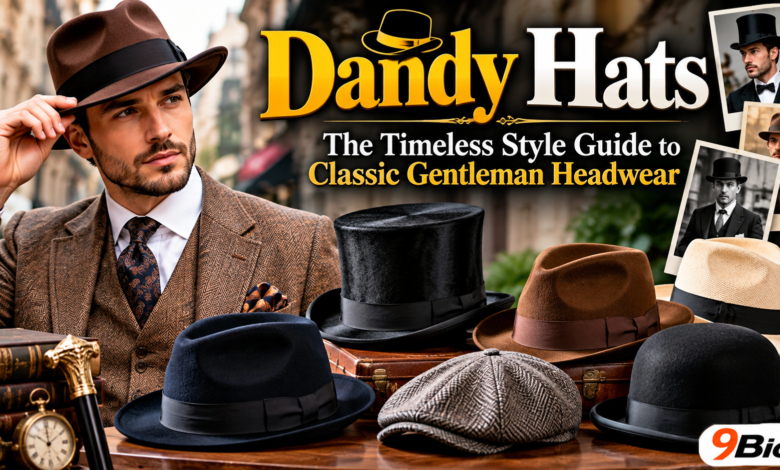
Dandy hats represent a distinctive approach to men’s fashion built around elegance, individuality, and carefully chosen accessories. Rather than referring to one specific hat, the term usually describes headwear associated with the dandy style, a fashion tradition known for polished clothing and refined presentation.
Today, interest in this aesthetic spans historical fashion and modern vintage outfits. People searching for dandy hats often want to understand classic hat styles, how to wear them, and which designs work with formal or retro clothing.
Quick Bio Table
| Detail | Information |
|---|---|
| Subject | Dandy hats |
| Category | Men’s fashion and headwear |
| Style association | Dandy, vintage, gentleman fashion |
| Common hat styles | Top hats, bowlers, fedoras, wide-brim hats |
| Historical associations | Victorian and Edwardian fashion |
| Modern use | Formal, vintage, theatrical, and fashion styling |
| Main appeal | Individuality, elegance, and distinctive presentation |
Who Is Dandy Hats?
Dandy hats are not a person, celebrity, or individual fashion designer. The phrase describes a category of stylish headwear connected with dandy fashion and gentleman-inspired dressing.
Dandyism historically emphasized appearance, tailoring, manners, and personal presentation. Hats became an important part of that visual identity because they completed an outfit and helped communicate social style.
Modern interpretations can include top hats, bowler hats, fedoras, felt hats, and wide-brim designs. The exact choice depends on the period, outfit, occasion, and desired appearance.
Early Life and Background
Because dandy hats describe a fashion category rather than a person, no individual early-life biography is associated with the term. Its background instead belongs to the history of European menswear and the development of dandyism.
Dandy culture became particularly associated with the late 18th and 19th centuries. Clothing, grooming, accessories, and personal presentation became central elements of the style. Headwear played an important practical and decorative role during this period.
Historical examples are especially connected with Victorian fashion and later Edwardian menswear.
Career
The word “career” does not directly apply to dandy hats, but the styles themselves have had a long journey through fashion history.
During the 19th century, men commonly wore hats as part of everyday public dress. Different shapes communicated formality, social conventions, occupation, and personal taste. The top hat, for example, became strongly associated with formal and evening wear, while the bowler took on a more practical identity.
As fashion changed during the 20th century, everyday hat wearing declined in many Western countries. Nevertheless, classic styles remained visible at formal events, in entertainment, in historical costuming, and in specialist menswear.
Modern designers and fashion enthusiasts have continued to reinterpret traditional headwear. Vintage gentleman hats can now appear alongside tailored suits, waistcoats, long coats, boots, and contemporary accessories.
The appeal is not simply historical accuracy. Many people appreciate the strong silhouette and individuality that a distinctive hat adds to an outfit.
Today, dandy style hats can be found in specialist vintage stores, theatrical costume collections, formalwear retailers, and independent hat makers. Materials can include wool felt, fur felt, straw, cotton, and other textiles.
Quality varies considerably. A well-made hat generally depends on its construction, material, proportions, finishing, and fit. Buyers should therefore consider more than appearance when choosing a traditional style.
For someone building a modern dandy wardrobe, the most useful approach is usually to select one strong hat and coordinate it with the rest of the outfit rather than making every item equally dramatic.
Rise to Public Recognition
The broader dandy aesthetic gained cultural prominence through influential figures in European fashion and literary culture. George Bryan “Beau” Brummell, for example, became an important historical symbol of refined male dressing in Regency-era Britain.
Later periods developed their own versions of sophisticated gentleman fashion. Hats remained part of formal menswear and became recognizable symbols in popular culture.
Today, interest in vintage dandy hats is supported by renewed enthusiasm for heritage clothing, vintage tailoring, historical fashion, period dramas, and classic menswear.
Personal Life
Personal life doesn’t apply to dandy hats because the term doesn’t identify an individual. Instead, the personal dimension of dandy fashion concerns how people use clothing to express identity and taste.
A modern wearer might choose a traditional hat for a wedding, formal gathering, themed event, fashion photography, theatrical performance, or everyday vintage-inspired outfit.
The key principle is coordination. Hat shape, color, brim size, clothing proportions, and occasion should work together.
Marriage / Relationship
Dandy hats have no marriage or relationship history because they are a fashion category, not a person.
However, traditional gentleman headwear is sometimes connected with formal social occasions where elegant clothing is expected. Weddings, races, ceremonies, and period-themed events can provide opportunities to wear classic hat styles.
Choosing an appropriate design is important. A dramatic historical hat may suit a formal or costume setting but appear excessive in a casual environment.
Children and Family
Dandy hats are not typically associated with children or family members.
From a fashion perspective, however, traditional hat styles can pass down through generations as vintage clothing, family heirlooms, or collectible accessories. Proper storage can help preserve felt, leather, ribbon, and other materials.
Collectors often value older hats because they provide insight into changing clothing traditions and craftsmanship.
Major Life Events
Since dandy hats are not a person, there are no personal life events to document. Instead, their key historical milestones reflect changes in menswear.
The rise of formal hat wearing, the popularity of Victorian and Edwardian styles, the decline of everyday hats during the 20th century, and the modern revival of vintage fashion all shaped their cultural relevance.
Today, classic hats continue to appear in formalwear, entertainment, historical recreation, and fashion communities.
Public Image and Legacy
The public image of dandy hats is closely associated with elegance, individuality, and old-fashioned sophistication. Their strongest appeal comes from their ability to create a recognizable silhouette.
Some styles look formal and traditional, while others feel theatrical or rebellious. This flexibility has helped classic headwear survive despite major changes in everyday clothing.
Their legacy also reflects the importance of accessories in menswear. A carefully selected hat can change the character of an otherwise simple outfit.
Why People Search for Dandy Hats
People search for dandy hats for several reasons. Some want vintage gentleman hats for formal events, while others are researching Victorian or Edwardian clothing.
Others are looking for practical styling advice, including how to match a hat with a suit, coat, waistcoat, or casual vintage outfit.
Popular searches can also involve top hats, bowler hats, fedoras, wide-brim hats, hat materials, sizing, and where to purchase quality traditional headwear.
Privacy, Accuracy and Public Information
Because dandy hats describe a fashion category, there are no personal records, family details, or private-life claims to verify.
Interpret historical information within its period, since hat styles changed considerably over time. Modern products also vary by manufacturer, so retailers may use terms such as “vintage,” “classic,” and “dandy” differently.
Conclusion
Dandy hats remain relevant because classic menswear continues to attract people who value distinctive personal style. From top hats and bowlers to fedoras and wide-brim designs, different forms of headwear can create very different impressions.
The best choice depends on the occasion, outfit, proportions, material, and personal preference. Rather than treating historical fashion as a strict costume, modern wearers can borrow select elements to create a polished, individual look.
More Celebrity: Explore in-depth biographies, career journeys, family backgrounds, and the latest updates on your favourite celebrities at 9Bio.co.uk.
(FAQs)
What are dandy hats?
Dandy hats are traditional or vintage-inspired headwear associated with dandy fashion and refined gentleman styling. The term can include several designs, such as top hats, bowler hats, fedoras, and wide-brim felt hats. The defining feature is generally the hat’s contribution to a carefully styled, sophisticated appearance.
What hat styles are associated with dandy fashion?
Common choices include top hats, bowler hats, fedoras, and wide-brim felt hats. Different historical periods favored different designs, so no single hat defines the dandy aesthetic. The most suitable option depends on the outfit, occasion, period inspiration, and desired level of formality.
How do you style dandy hats?
Start with the rest of the outfit rather than choosing the hat first. Tailored trousers, a structured jacket, waistcoat, polished shoes, or a long coat can complement traditional headwear. Keep colors coordinated and consider proportions. A simple outfit can often support a more distinctive hat without appearing overly theatrical.
Are dandy hats only for formal occasions?
No. Traditional hats can work for formal events, vintage gatherings, photography, performances, weddings, and selected everyday outfits. Modern styling lets people pair classic headwear with contemporary clothing. However, very formal designs such as top hats may look more appropriate at events where sophisticated or traditional dress is expected.
What materials are commonly used for gentleman hats?
Common materials include wool felt, fur felt, straw, cotton, and leather, depending on the design and season. Felt is especially common in classic men’s hats because it can be shaped into structured crowns and brims. Material quality, construction, and finishing can significantly affect durability and appearance.
Where can you buy dandy hats?
You can find dandy hats through specialist hat makers, vintage clothing stores, formalwear retailers, costume suppliers, and online marketplaces. Before purchasing, check the sizing information, material, construction, return policy, and product photographs. A properly fitted hat generally looks more polished than an expensive design that does not fit correctly.
