
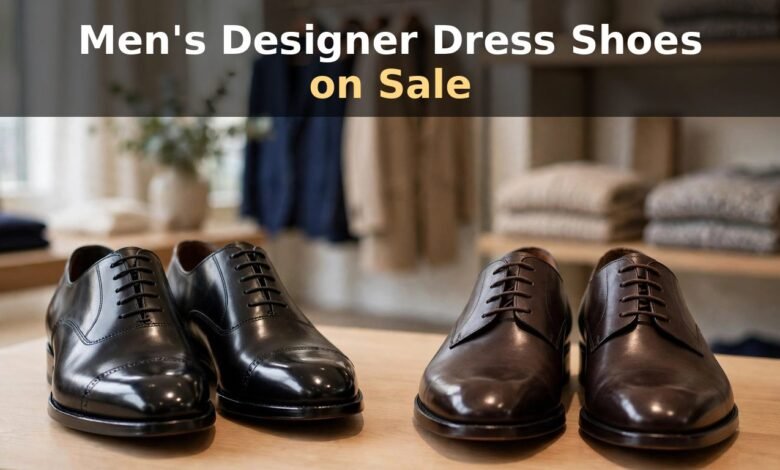
A pair of well-made dress shoes changes how an outfit feels. The suit sits better, the walk feels steadier, and the whole look reads as finished rather than thrown together. The problem is the price tag. Designer dress shoes are built to last, and that quality usually comes with a number that makes most people pause.
That is exactly why so many shoppers search for men’s designer dress shoes on sale. A genuine sale is the one moment when craftsmanship and a sensible budget meet. The catch is that not every “sale” is a real one, and not every discounted shoe is worth owning. Some are last season’s colours that will look dated in a year. Some are lower-quality lines made specifically to be sold at a discount. And some are simply the same price with a crossed-out number next to it.
The bottom line: the best deal is not the biggest percentage off. It is a well-made shoe, in a style you will actually wear, at a price below what it is genuinely worth. This guide walks through how to find that kind of deal, which styles are worth your money, how to spot a fake discount, and how to check quality before you buy.
Why Designer Dress Shoes Go on Sale
Designer shoes do not go on sale because something is wrong with them. In most cases, the reason is far more ordinary, and understanding it helps you shop with confidence instead of suspicion.
Seasonal change is the biggest driver. Shops need room for new collections, so last season’s stock gets marked down. A dark brown Oxford that was full price in autumn is the same shoe in January — it has simply been replaced on the shelf by a new arrival. The leather, the stitching and the sole have not changed at all.
Colour and size clear-outs are another common reason. A retailer may have plenty of size 9s left in oxblood but nothing else, or a particular shade that sold slowly. If that shade happens to suit your wardrobe, you win. Odd sizes are often the deepest discounts of all, because a shop would rather sell the last pair than keep it in storage.
Then there are the big sale events. End-of-season sales, holiday weekends and clearance periods are when brands and department stores move stock in volume. These are also the times when you need to be most careful, because some retailers bring in cheaper stock just for the event. A shoe that only ever existed at a sale price was never really discounted.
Finally, some designer labels run their own outlet or archive sales, selling previous collections directly. These can be among the best places to find a genuine bargain, because the shoes are the same quality as the main line — just from an earlier season.
The Styles Worth Buying on Sale
Not every dress shoe is a good investment, even at half price. The styles below are the ones that hold their value, pair with the most outfits, and are hardest to get wrong.
The Oxford
The Oxford is the classic dress shoe, and the safest first purchase. It has a closed lacing system, which gives it a clean, formal look, and it works with a suit, a blazer and smart trousers, or even dark tailored jeans on a smart evening out.
The bottom line: if you only buy one pair on sale, make it a black or dark brown cap-toe Oxford. It covers weddings, interviews, formal dinners and office days without a second thought. Plain Oxfords are the most versatile; brogue detailing adds character but leans slightly less formal.
The Derby
The Derby looks similar to the Oxford but has open lacing, which makes it a little more relaxed and a little roomier across the foot. Men with wider feet often find Derbies far more comfortable, and that comfort matters when a shoe is meant to be worn all day.
Derbies sit comfortably between formal and smart-casual. A dark brown Derby works with a navy suit, grey flannels, chinos, and even a knit blazer on a cooler evening. On sale, they are often better value than Oxfords simply because more of them are made, so more of them end up discounted.
The Monk Strap
Monk straps replace laces with one or two buckles, and they make a quiet statement. They are less common than Oxfords and Derbies, which is part of their appeal — they look considered without looking loud.
A single monk strap in dark brown or black is an excellent second pair. Double monks are bolder and suit men who already own the basics. Because they are a slightly niche style, monk straps often appear in sales when a retailer is clearing a smaller range.
The Loafer
Loafers are the easiest dress shoes to live with. No laces, easy to slip on, and comfortable from the first wear. A leather loafer in black or dark brown works with tailored trousers, a summer suit, or smart chinos.
Penny loafers are the most classic version. Tassel loafers add a little more personality. Suede loafers look superb in warmer months but need more care and are a poor choice for wet weather. If you are buying loafers on sale, check the fit carefully — without laces to adjust, the right size matters more.
The Wholecut
A wholecut is made from a single piece of leather, with no visible seams on the upper. The result is a strikingly clean, elegant shoe that looks more expensive than it is — which makes it a particularly satisfying sale find.
Wholecuts are formal, so they suit weddings and black-tie-adjacent occasions best. They are also less forgiving of scuffs, since there is no broguing or stitching to hide marks. Buy one in black if you attend formal events regularly; otherwise, treat it as a treat rather than a first purchase.
The Chelsea Boot
Technically a boot rather than a shoe, but the Chelsea deserves a place here because it fills a gap nothing else does. The elastic side panels make it easy to put on, the clean profile works with a suit, and it handles cold weather far better than a low-cut shoe.
A black or dark brown leather Chelsea boot is one of the hardest-working items in a winter wardrobe. On sale, look for leather soles or a good rubber sole, and avoid overly fashion-forward shapes that will date quickly.
How to Spot a Genuine Sale
A discount only means something if the original price was real. Here is how to tell the difference between a genuine deal and a marketing trick.
First, check the shoe’s history. Search the exact model name and see whether it was actually sold at the higher price, and where. If the only place it ever appeared is the sale page itself, be cautious. Genuine designer shoes usually have a trail — the brand’s own site, a department store listing, or a review somewhere.
Second, look at the discount itself. A modest reduction on a quality shoe is normal. A very deep cut on a current-season style should raise a question, not excitement. Sometimes the answer is innocent — a final-size clearance, for example — but sometimes the shoe was made cheaply for the sale in the first place.
Third, compare across sellers. If several reputable shops are selling the same shoe at roughly the same price, that is the real market price. If one seller is dramatically cheaper than everywhere else, something is off — it could be a copy, a factory second, or a different, lower-quality version with a similar name.
Fourth, read the return policy before you buy. A retailer that is confident in its shoes will let you return them. A sale with no returns, or a very short return window, is a warning sign. Designer shoes are an investment, and you should be able to try them on at home without pressure.
Finally, trust the shoe itself. Hold it, bend it gently, look at the stitching and the finish. A genuine designer shoe feels solid and balanced. If it feels light, plasticky or roughly finished, the discount is not saving you money — it is selling you a lesser shoe.
What to Check Before You Buy
Price is only half the story. These checks take two minutes and can save you from a purchase you will regret.
- The leather. Full-grain leather is the top layer of the hide, and it ages beautifully, developing character over time. Corrected grain leather has been sanded and coated to hide imperfections — it looks shiny at first but cracks and peels sooner. Press the leather gently; good leather gives slightly and springs back.
- The construction. Shoes that are Goodyear-welted or Blake-stitched can be resoled, which means they can last for years and even decades with care. Shoes that are simply glued together cannot be resoled, so once the sole wears out, the shoe is finished. The construction method is usually listed in the product description — if it is not mentioned at all, that itself tells you something.
- The sole. A leather sole looks elegant and is traditional for formal shoes, but it is slippery in the rain and wears faster on hard pavements. A rubber sole or a leather sole with a rubber insert gives better grip and lasts longer for everyday wear. Neither is wrong; the right choice depends on how you will wear the shoes.
- The stitching. Look at the welt, the seam where the upper meets the sole. The stitching should be even, tight and consistent all the way around. Loose threads, uneven spacing or glue marks are signs of rushed work.
- The lining. A leather lining breathes, moulds to your foot over time, and feels comfortable. A synthetic lining traps heat and moisture, which makes the shoe uncomfortable on long days and shortens its life.
- The heel. The heel should be straight, firmly attached, and sit flat on the ground. A wobbly heel on a new shoe is a defect, not a quirk.
- The weight and balance. Pick the shoe up and hold it in the middle. A well-made shoe feels balanced, not heavy at one end. Both shoes in the pair should feel the same.
Designer Dress Shoes Compared
Use this table as a quick reference when you are deciding which style to buy first, or which one to add next.
| Style | Best For | Formality | Fit Notes | Sale Value |
|---|---|---|---|---|
| Oxford | Weddings, interviews, formal events | Most formal | True to size, narrow fit | Excellent — timeless, always in demand |
| Derby | Office, smart-casual, wider feet | Formal to smart | Roomier, good for wide feet | Very good — widely stocked, often discounted |
| Monk Strap | Making an impression, second pair | Formal to smart | Try before buying, buckle fit varies | Good — niche style, clears in sales |
| Loafer | Everyday smart wear, warm weather | Smart-casual | No laces, sizing matters most | Good — versatile, easy to wear often |
| Wholecut | Black tie, formal occasions | Very formal | True to size, sleek fit | Fair — beautiful but less versatile |
| Chelsea Boot | Winter, smart outfits, wet weather | Smart | Easy on and off, check ankle fit | Very good — seasonal demand, strong value |
When Sales Tend to Happen
You do not need to wait for a specific date to find a deal, but knowing the rhythm of the year helps. End-of-season clearances are the most reliable. When autumn stock arrives, summer styles are marked down, and when spring arrives, winter stock follows. These are the best times to buy classic styles, because the shoes being cleared are the same timeless designs that will still look right next year.
Holiday sale periods bring the widest choice, but also the most noise. More shoes are on offer, and more of them are made specifically for the event. Shop the brands and retailers you already trust, and skip anything you cannot verify.
January is often a strong month for shoe sales, as retailers clear stock after the festive season. The same applies to the weeks after any major sale event, when leftover sizes are reduced further. If your size is a common one, do not wait for the deepest cut — popular sizes sell out first. If your size is less common, patience can pay off, because the last pairs in unusual sizes are often reduced the most.
One more timing tip: buy out of season when you can. A pair of suede loafers bought in autumn, when nobody is thinking about summer shoes, is often cheaper than the same pair bought in May. The same logic works in reverse for boots. Planning one season ahead is the simplest way to pay less for the same shoe.
Getting the Fit Right When Buying Online
Most sale shopping happens online, which means you cannot try the shoe on first. That is fine, as long as you approach sizing with care.
Start with what you already own. Find the best-fitting pair of dress shoes you have, note the brand, the size and the last — the shape the shoe is built on — and use that as your reference. Different brands size differently, and even different models from the same brand can vary, so a size that works in one shoe is not a guarantee in another.
Measure your feet in the evening, when they are at their largest, and compare the measurement with the brand’s size chart rather than guessing. If you are between sizes, the right answer depends on the shoe. For Oxfords, many people go up half a size. For loafers, many people stay true to size or go down half a size, because there are no laces to tighten a loose fit.
Read reviews from people who bought the same shoe, and pay attention to what they say about fit rather than style. Phrases like “runs narrow” or “goes a half size large” are worth more than any size chart.
When the shoes arrive, try them on indoors on carpet, in the afternoon, wearing the socks you would normally wear with them. Walk around for a few minutes. The shoe should feel snug but not tight, with a little room at the toe. Leather will soften and mould to your foot over the first few wears, but a shoe that pinches on day one will not magically become comfortable.
Caring for Designer Shoes So the Deal Lasts
A sale price is only a bargain if the shoes last. Designer dress shoes reward a little care, and the routine is simpler than most people think.
Use shoe trees. Cedar shoe trees absorb moisture, hold the shape, and smooth out creases after each wear. They are the single best investment you can make after the shoes themselves. Put them in as soon as you take the shoes off, while the leather is still warm.
Rotate your shoes. Leather needs a day to dry out between wears. Wearing the same pair every day breaks it down far faster than wearing two pairs on alternate days. If you buy one pair on sale, consider it the start of a rotation rather than a one-pair wardrobe.
Polish and condition. A light polish every few wears keeps the leather protected and looking sharp. A leather conditioner a few times a year stops the leather drying out and cracking. Use products made for smooth leather, and test anything new on a small, hidden area first.
Protect them from rain. A quick spray of a water-repellent protector helps, but the real rule is simple: if it is pouring, wear a different pair. Wet leather dries stiff and stained if it is left to dry too quickly. If your shoes do get soaked, stuff them with newspaper, put the trees in, and let them dry slowly at room temperature, away from radiators.
Resole before it is too late. When the sole starts to wear thin, take the shoes to a cobbler before the wear reaches the welt. A resole is far cheaper than a replacement, and a well-made shoe can be resoled several times over its life.
Mistakes to Avoid
- Buying the wrong size because it is cheaper. A bargain in the wrong size is not a bargain. It will sit in the wardrobe unworn, which is the most expensive outcome of all.
- Choosing a trend over a classic. A bright colour or an unusual toe shape might look exciting on the sale rail, but classic black and dark brown are the shoes you will reach for again and again.
- Ignoring the construction. A glued shoe at a deep discount is still a glued shoe. Check how the shoe is made before you check the price.
- Skipping the return policy. Sale items are sometimes final sale. Know this before you buy, not after the shoes arrive and do not fit.
- Buying two pairs instead of one good one. Two mediocre pairs cost more in the long run than one excellent pair that lasts. Spend the sale saving on quality, not quantity.
- Forgetting what you already own. Before you buy, look at your wardrobe. If you already have three pairs of black Oxfords, a dark brown Derby will serve you better than a fourth black Oxford, however good the price.
Frequently Asked Questions
Are designer dress shoes on sale worth it?
Yes, when the sale is genuine and the shoe is well made. A quality pair bought at a discount is the same shoe as the one sold at full price — the leather, construction and comfort do not change because the price did. The key is verifying the discount is real and the shoe is the standard line, not a cheaper version made for the sale.
When is the best time to buy men’s designer dress shoes on sale?
End-of-season clearances are usually the most reliable, because retailers are making room for new stock. January and the weeks after major sale events are also strong. Buying out of season — loafers in autumn, boots in spring — often brings the best prices on classic styles.
How can I tell if a sale price is genuine?
Check whether the shoe was actually sold at the higher price elsewhere, compare the price across several reputable sellers, and look at the product details. If the shoe only ever existed at the sale price, or the seller cannot be verified, treat the discount with caution. A clear return policy is another good sign.
What is the best first pair of designer dress shoes to buy on sale?
A black or dark brown cap-toe Oxford is the safest first buy, because it works for weddings, interviews, formal events and office days. If you already own one, a dark brown Derby is the best next step — it is more comfortable, more versatile for smart-casual outfits, and often easier to find discounted.
Should I buy Goodyear-welted shoes?
If you want shoes that last for years, yes. Goodyear-welted shoes can be resoled when the sole wears out, which extends their life considerably. They usually cost more upfront, which is exactly why buying them on sale makes so much sense — you get the long-term value at a short-term price.
Do designer dress shoes need breaking in?
Most leather dress shoes need a few wears to soften and mould to your feet. A little initial snugness is normal, but pain is not. If a shoe pinches, rubs or squeezes sharply when you first try it on, it is the wrong size or the wrong shape for your foot, and it will not improve enough to be worth keeping.
Conclusion
Men’s designer dress shoes on sale are one of the smartest buys in menswear — when you shop with your eyes open. Start with a classic style you will wear often, verify the discount is genuine, and check the leather, the construction and the fit before you commit. Buy out of season when you can, and look after the shoes once you own them, because a well-cared-for pair bought at a good price is worth far more than a full-price pair that is neglected.
The bottom line: do not chase the biggest percentage off. Chase the best shoe at a fair price. That is the deal that still feels like a deal a year from now, every time you put the shoes on.
Read Also: Lux & Nyx Women’s Large Origami Tote (2026 Guide)





One Comment