
Introduction
An oversized t-shirt looks effortless when it fits well — and shapeless when it does not. That fine line is why so many people search for an H and M oversized t shirt before buying. They are not just looking for a bigger shirt. They are looking for a relaxed shape that still looks deliberate, comfortable without drowning the wearer, and easy to style for everyday life.
This guide focuses on that balance. It explains what “oversized” usually means in practice, how to judge the fit on your own frame, and which styling choices keep the look clean rather than messy. It also covers fabric, length, layering, and the common mistakes that turn a good relaxed tee into an awkward one.
Whether you are buying your first oversized shirt or replacing a favourite, the advice here is practical: check the fit in the right places, be honest about your proportions, and choose a shirt that works with clothes you already own.
What Does Oversized Actually Mean?
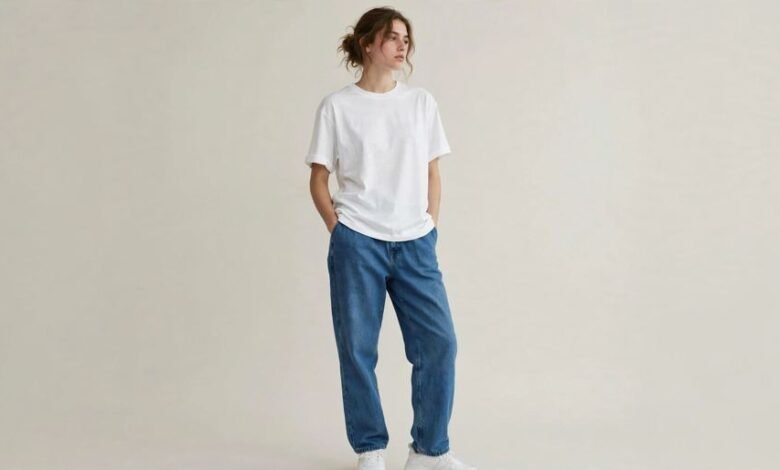
Oversized does not simply mean “buy two sizes up.” A properly designed oversized t-shirt is cut wider through the body, with dropped shoulders and a longer or boxier hem, while still keeping the proportions balanced. Buying a regular shirt in a much larger size often gives you extra width but also extra length in the wrong places, and the shoulders may sit in an odd spot.
That distinction matters. When a shirt is designed to be oversized, the shoulder seam is meant to sit lower on the arm. The body has room to drape without pulling. The result looks relaxed on purpose. When a regular shirt is just sized up, the shape can look accidental, with sleeves that are too long and a hem that overwhelms the rest of the outfit.
The bottom line: look for a cut that is described as oversized, rather than simply choosing a larger size in a standard fit.
How an Oversized T Shirt Should Fit
Shoulders and sleeves
The shoulder seam is the first place to check. On an oversized shirt, it should sit slightly below your natural shoulder, not halfway down your upper arm. If it drops too far, the shirt can look like it belongs to someone else. If it sits exactly on your shoulder, the shirt may not actually be oversized at all.
Sleeve length follows from the shoulder. A relaxed sleeve that ends around mid-bicep usually looks balanced. A sleeve that covers most of the upper arm can make the whole outfit feel heavy, especially on a shorter frame. Roll or adjust the sleeve only if the fabric allows it to sit naturally; a forced roll often looks untidy by the end of the day.
Body width and drape
The body should have visible room without billowing. When you stand naturally, the fabric should fall away from the torso rather than clinging, but it should not balloon out at the waist. A good test is to raise your arms slightly: the shirt should move with you without pulling tightly across the chest or stomach.
Drape is also affected by fabric weight. A heavier cotton tends to hang in a cleaner line, while a very light fabric can cling or fly up in the wind. Neither is wrong, but heavier fabrics usually give an oversized shape more structure, which helps it look intentional.
Length and hem
Length is where many oversized shirts go wrong. The hem should sit at a point that balances your outfit. For most people, that means covering the waistband and sitting somewhere around mid-fly to hip level, depending on the look you want. A hem that covers your pockets completely can shorten the appearance of your legs and make the outfit feel bottom-heavy.
If you plan to tuck or half-tuck the shirt, length becomes even more important. You need enough fabric to tuck neatly without bunching, but not so much that it creates bulk at the waist. A shirt designed with a slightly boxy, straight hem usually tucks more cleanly than one with a very long, curved hem.
Choosing Your Size: A Practical Approach
Sizing an oversized shirt starts with your normal size, not with a guess. Check the product’s size guide and look for measurements rather than relying on letter sizes alone. Chest width, shoulder width, and length are the three numbers that tell you most about how the shirt will sit.
If you are between sizes, think about the look you want. The smaller option will still feel relaxed if the cut is genuinely oversized, while the larger option will push the look toward a very loose, streetwear-inspired shape. Neither is better in itself. The right choice depends on your height, your build, and how you plan to wear the shirt.
Height matters more than people often expect. On a taller frame, an oversized shirt has more room to drape before it looks too long. On a shorter frame, the same shirt can quickly overwhelm the outfit, so a more moderate oversized cut often works better. If you are shorter, pay extra attention to length and sleeve position, since those two details have the biggest effect on proportion.
For the most reliable result, compare the listed measurements with an oversized or relaxed shirt you already own and like. That comparison beats any general rule about sizing up or down.
Fabric, Comfort, and Quality
Cotton and cotton blends
Cotton is the most common fabric for oversized tees because it breathes well and feels comfortable for long wear. Pure cotton often has a natural, slightly structured drape. Cotton blends may add softness or a small amount of stretch, which can make the shirt feel more relaxed and less stiff. The best choice depends on whether you prefer a crisp, structured look or a softer, more lived-in feel.
Look for clear fabric information in the listing. A shirt that does not describe its fabric at all is harder to judge, and you may be surprised by the weight or texture when it arrives. If you are sensitive to heavier fabrics in warm weather, a lighter cotton or blend will usually feel more comfortable.
Weight and drape
Fabric weight shapes the whole look. A mid-weight shirt holds its shape and gives an oversized cut a clean outline. A very light shirt drapes more softly and can look more casual, but it may also cling in humid weather or show lines from layers underneath. A very heavy shirt looks structured but can feel warm and stiff.
There is no single ideal weight. Match it to the season and to how you will wear the shirt. For everyday use across spring and autumn, a mid-weight option is usually the most versatile. For high summer, a lighter fabric will feel better, even if the drape is softer.
What to check before you buy
Before ordering, check the care instructions, the fit description, and the size guide together. A shirt that needs delicate care may not suit daily wear, while a shirt described as “boxy” will sit differently from one described as “longline.” Those small wording differences often signal real differences in shape, so read them carefully.
Also check the retailer’s current listing for the exact colour and size you want. Colours can look different on screen, and availability can change. If you are buying for a specific outfit or occasion, confirming the details before checkout saves time and disappointment.
How to Style an H and M Oversized T Shirt
The everyday casual look
The simplest way to wear an oversized tee is with straight or relaxed jeans or trousers and clean trainers. The key is balance: because the top is roomy, the bottom should not be equally voluminous, or the outfit can lose its shape. A straight leg gives the look structure without making it feel formal.
Keep accessories simple. A clean pair of shoes and a simple bag or cap are usually enough. When the shirt itself is the statement, adding too many bold pieces can make the outfit feel busy rather than relaxed.
A smarter, put-together version
An oversized tee can work in a smarter casual outfit if the rest of the look is tidy. Pair it with well-fitting chinos or tailored trousers, neat shoes, and a structured outer layer such as a light jacket or overshirt. The contrast between the relaxed tee and the cleaner pieces is what makes the outfit look intentional.
In this version, colour matters. A plain or muted tee works best, since it lets the smarter pieces do the work. A loud graphic can still work, but it pushes the outfit back toward casual territory, so choose it deliberately.
Layering without bulk
Layering an oversized shirt takes a little care. An open shirt, jacket, or cardigan worn over the tee can add warmth and structure, but the outer layer needs to be roomy enough to sit comfortably over the tee without pulling. If the outer layer is too slim, it will bunch the tee underneath and ruin the drape.
For cooler weather, a relaxed jacket or an overshirt in a similar relaxed cut usually works best. Avoid very slim outer layers unless the tee itself is only slightly oversized. The goal is layers that sit naturally together, not layers fighting for space.
Styling for different body types
Oversized does not suit everyone in exactly the same way, and that is fine. Taller wearers can usually handle a longer, boxier shape. Shorter wearers often look better in a moderately oversized cut with a hem that does not cover the pockets. Broader wearers may want to watch shoulder placement so the shirt does not add unnecessary width at the top.
The common thread is proportion. Whatever your build, the shirt should look like a choice, not an accident. Check the mirror from the side as well as the front, since drape and length are often clearer from the side.
Colour and Design Choices
Plain oversized tees are the most versatile. White, black, grey, and muted earth tones pair with almost everything and work across seasons. They also make layering easier, since they do not compete with other pieces in the outfit.
Graphic and printed designs add personality, but they also narrow the shirt’s range. A bold graphic works well as the centrepiece of a casual outfit, while a small chest print or minimal design offers a middle ground: a little character without dominating the look. If you are buying one oversized shirt, a plain or minimal design usually gives you more outfits per wear.
Colour choice should also reflect your existing wardrobe. If most of your trousers and jackets are dark, a lighter tee can brighten the outfit. If your wardrobe is already light, a darker tee can ground it. The aim is not to match everything perfectly, but to make sure the shirt has companions in your closet.
For more fashion and lifestyle inspiration, you can also explore adailyinsight360.com for everyday style ideas and practical guides.
A Quick Comparison: Oversized Fits at a Glance
| Fit style | Shape | Best for | Watch out for |
|---|---|---|---|
| Slightly oversized | Relaxed, close to classic | Everyday wear, first-time buyers | May not look oversized enough for a bold look |
| Classic oversized | Dropped shoulders, roomy body | Casual and streetwear outfits | Length and sleeve position on shorter frames |
| Boxy oversized | Wide, shorter, square hem | Cropped or high-waisted styling | Can shorten the look if paired with low-rise bottoms |
| Longline oversized | Longer hem, relaxed body | Layering and taller frames | Can overwhelm shorter frames or slim bottoms |
Use the table to narrow your choice, then confirm the details against the size guide for the specific shirt you are considering. Fit names vary, and the measurements matter more than the label.
Caring for an Oversized T Shirt
Washing an oversized tee well helps it keep its shape. Cool or cold water is kinder to cotton and to prints, and turning the shirt inside out can protect the surface. Avoid very high dryer heat, which can shrink the fabric and change the fit — a particular problem for an oversized shape, where a small amount of shrinkage can alter the drape noticeably.
Air drying or a low dryer setting usually keeps the shape best. If you iron the shirt, use a moderate setting and avoid pressing directly on any print. Fold or hang the shirt in a way that does not stretch the shoulders: heavy cotton shirts often keep their shape better folded, while lighter shirts hang without much distortion.
Over time, even a well-cared-for shirt will soften. That is normal, and many people prefer the softer feel after several washes. What you want to avoid is uneven shrinkage or a twisted side seam, both of which usually come from high heat or aggressive washing. Gentle care keeps the relaxed shape looking deliberate for longer.
Common Mistakes to Avoid
The most common mistake is sizing up a regular shirt instead of choosing an oversized cut. The result often looks too long and shapeless rather than relaxed. If you want the oversized look, start with a shirt designed for it, then adjust the size from there.
Another mistake is pairing an oversized top with equally oversized bottoms. When everything is roomy, the outfit loses its anchor and can look untidy. Balance a relaxed top with a more structured bottom, and the whole look sharpens immediately.
Ignoring length is another frequent error. A hem that is too long can make legs look shorter and the outfit feel heavy. Check the length against your height and your usual trouser rise before you buy, not after.
Finally, do not assume that “oversized” means “no effort needed.” The best oversized outfits look relaxed because the proportions were considered, not because they were thrown together. A quick mirror check, a tidy shoe choice, and a balanced bottom half are usually all it takes.
Who an Oversized T Shirt Suits Best
Oversized tees suit people who like relaxed, casual style and want comfort without looking sloppy. They work well for weekends, travel, casual workplaces, and creative settings. They also suit anyone who prefers breathable, roomy clothing in warm weather or for long days.
They are less suited to formal settings or to outfits that need a sharp, tailored silhouette. In those cases, a classic or slim fit will serve you better. Oversized is a casual shape by nature, and it performs best when the rest of the outfit respects that casual character.
If you are new to the style, start with a slightly oversized or classic oversized cut in a neutral colour. It is the easiest version to style, the most forgiving on proportion, and the most likely to earn a regular place in your rotation. Once you know how that shape works for you, you can experiment with boxier or longer versions with confidence.
Frequently Asked Questions
Should I size up for an oversized t shirt?
Not necessarily. If the shirt is already cut as oversized, your normal size will usually give you the intended relaxed fit. Sizing up further pushes the look toward a very loose shape. Check the size guide measurements and compare them with a shirt you already own.
How long should an oversized t shirt be?
For most people, a hem around mid-fly to hip level balances the outfit well. A much longer hem can shorten the appearance of your legs, especially on shorter frames. If you plan to tuck the shirt, make sure there is enough length to tuck neatly without bunching.
What should I wear with an oversized t shirt?
Pair it with a more structured bottom, such as straight jeans, chinos, or tailored trousers, and clean shoes. Avoid pairing it with equally baggy bottoms, which can make the outfit lose its shape. A relaxed jacket or overshirt works well as a layer.
Can an oversized t shirt look smart?
Yes, in a smart-casual setting. Choose a plain or muted tee, pair it with well-fitting trousers and neat shoes, and add a structured jacket. The contrast between the relaxed tee and the tidier pieces is what makes the look feel intentional.
How do I stop an oversized t shirt shrinking?
Wash in cool water, avoid high dryer heat, and air dry or use a low setting where possible. High heat is the main cause of shrinkage, and it can change the drape of an oversized shape more noticeably than on a standard fit.
Conclusion
An H and M oversized t shirt works best when the fit is chosen deliberately. Look for a cut designed to be oversized, check the shoulders, body width, and length against your own measurements, and balance the relaxed top with a structured bottom half. Choose a fabric weight that suits the season, a colour that works with your wardrobe, and care for the shirt gently so it keeps its shape.
Get those details right, and the oversized look stops feeling like a gamble. It becomes an easy, comfortable staple you can reach for again and again — relaxed on purpose, not by accident.


One Comment